
Repair Work We Arrange Across Onondaga County
These split by which system is in the basement and by whether the answer can wait until morning, because those two things change the fault list and the urgency completely. Warm air out of vents is a furnace, and it fails at the filter, the igniter, the flame sensor, the pressure switch or the condensate drain. Heat out of radiators or baseboard is a boiler and has none of those parts, which matters more here than most places: the Energy Information Administration's 2020 survey puts 27.9 percent of homes across New York, New Jersey and Pennsylvania on steam or hot water against 7.5 percent nationally. Cooling is its own list, a heat pump sits on both, and the fifth card is for tonight, when the question is not what broke but whether it waits.
What we arrange
Furnace Repair
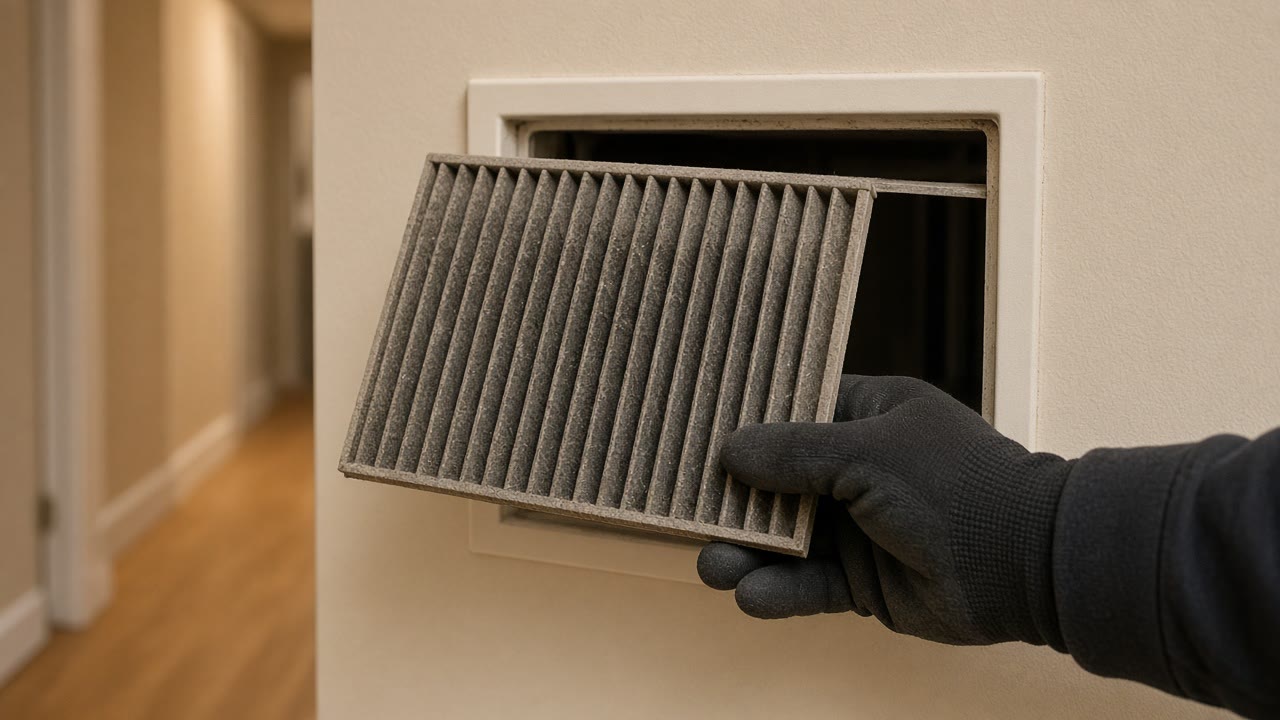
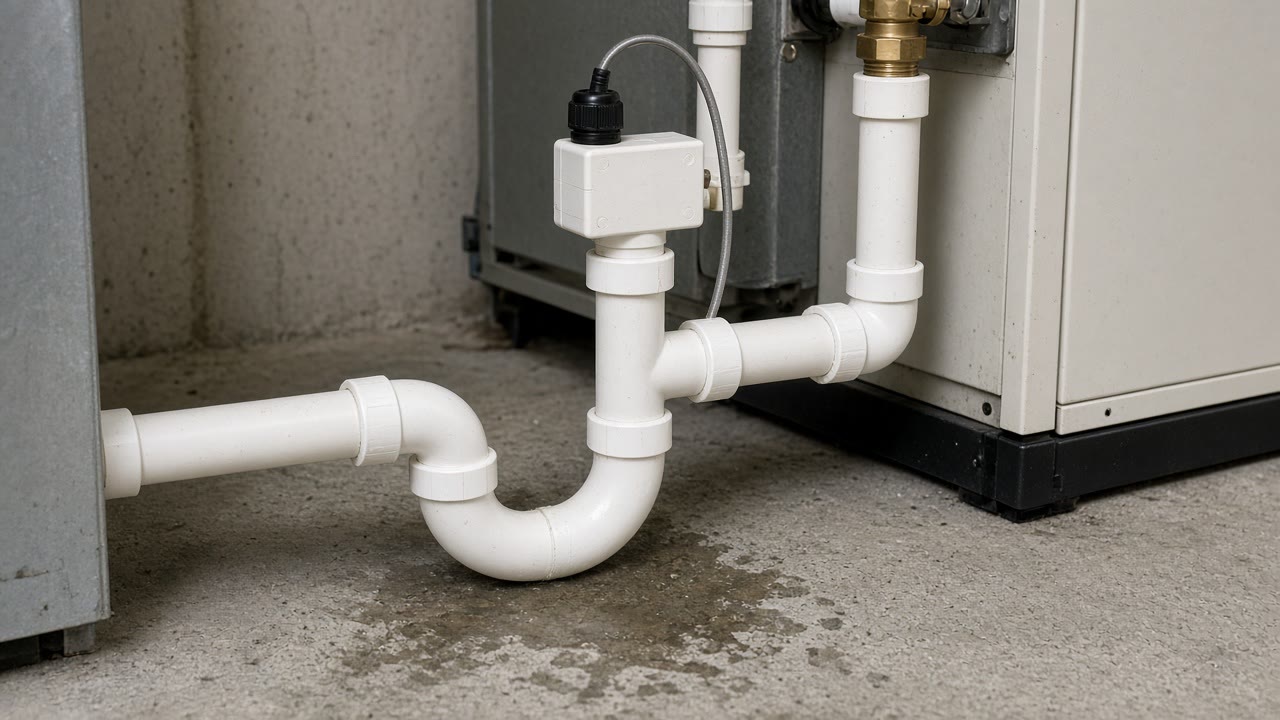
A furnace that has quit does not announce what it will cost to fix, and the gap between the cheapest answer and the most expensive one is the whole reason this call feels risky. So the cheap causes get named first here, by name: a thermostat set wrong or running on dead batteries, the furnace switch on the basement wall knocked off, a tripped breaker, a filter choked enough to trip the limit, a dirty flame sensor, a failed igniter, a blocked condensate drain on a high efficiency unit. Several of those are not faults at all. Section G2431.2 of the Residential Code of New York State, a New York amendment, requires every fuel gas space heating appliance in a home to shut the fuel off when the flame or pilot goes out, so a furnace that lights and drops out after a few seconds is a furnace doing what state code makes it do. The repair is to clean the sensor, never to defeat the device. Knowing that is the difference between reading a diagnosis and reading a sales pitch.
Read more →Boiler and Radiator Heat Repair
If your heat arrives through radiators or baseboard, nearly everything written online about no heat is about somebody else's house. Those pages are about filters, ducts and blowers, and your system has none of the three. It has a circulator pump, zone valves, an expansion tank, air vents and a pressure gauge, and it fails in ways a furnace never does: one room stone cold while the rest of the house is fine, a boiler that fires and short cycles, a gauge sitting near zero, a radiator that gurgles and stays cool across the top. This is a real population here and not a courtesy listing. The Energy Information Administration's 2020 Residential Energy Consumption Survey puts 4.48 million of the Middle Atlantic division's 16.04 million homes on steam or hot water heat, 27.9 percent, against 7.5 percent nationally. More than one home in four in this part of the country heats through pipe rather than duct, and the cheap faults on those systems are cheap in a completely different way.
Read more →Air Conditioning Repair
The expensive answer and the cheap answer look identical from the hallway. A blown run capacitor, a burned contactor, a float switch tripped by a blocked condensate drain and a genuine refrigerant leak all produce the same complaint: it is running and the house will not cool. Telling them apart is what a diagnosis is for, and the order matters, because only one of those requires opening the sealed side of the system. The second thing worth knowing is what the 2025 refrigerant change did and did not do, because a great deal of what homeowners have been told about it is wrong. Under 40 CFR 84.54 the restrictions that took effect on January 1, 2025 are on manufacturing, importing, selling and distributing residential air conditioning and heat pump products above a global warming potential of 700, and on installing new systems above it. Nothing in that section is about equipment already bolted to your slab. EPA has written that it classified condensing units as specified components precisely so they were not caught by those restrictions, and thus to allow for the continued servicing and maintenance of existing equipment. If a quote tells you your system cannot be repaired because of a federal refrigerant rule, the agency that wrote the rule says otherwise.
Read more →Heat Pump Repair
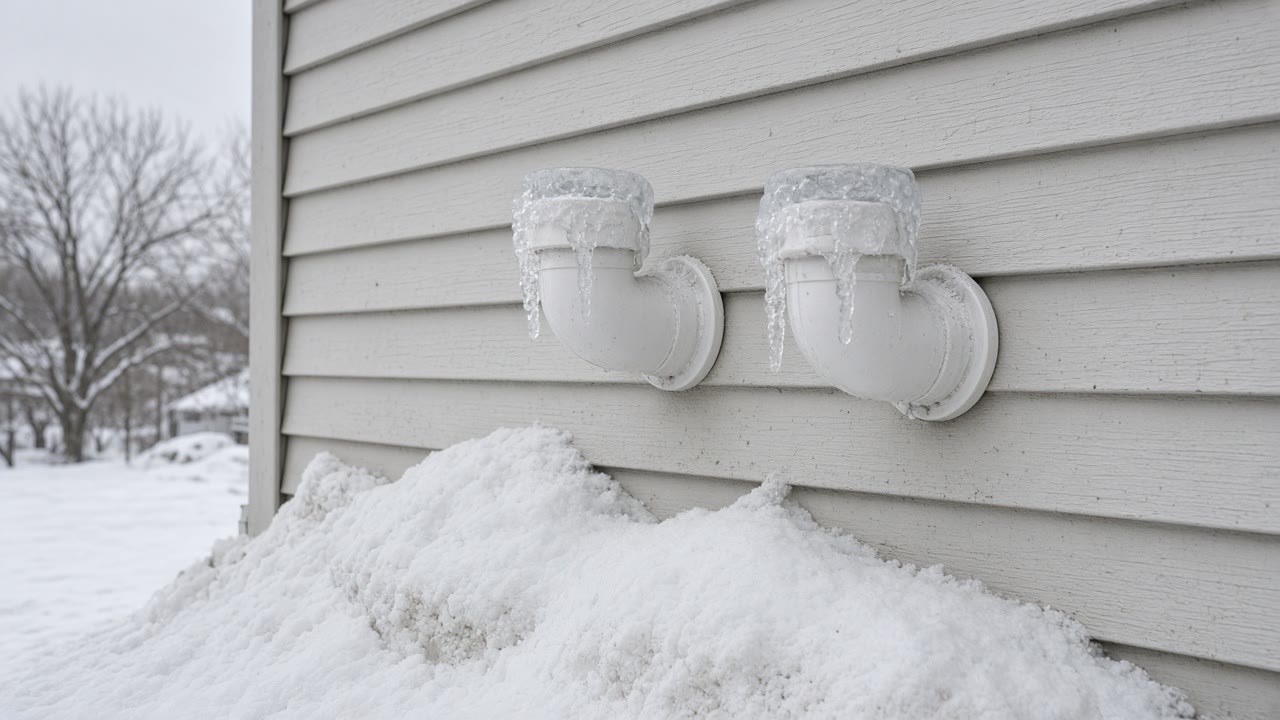
A heat pump is the only machine in the house that can fail in July and in January for two entirely different reasons, and the January failure is the one that costs people money quietly. When a heat pump stops making heat, the backup heating element usually keeps the house warm enough that nothing looks broken until the bill arrives, so the useful diagnosis here is not only what failed but how long it has been failing. The parts that decide it belong to this machine and to no other: a reversing valve that swaps the direction of the refrigerant, a defrost board and its sensor, an outdoor thermostat that decides when backup heat is allowed to come on, and a coil that is supposed to ice up and then clear itself on a schedule. That last one matters here more than almost anywhere. The 1991-2020 NOAA normals give Syracuse an annual snowfall normal of 123.8 inches, with 13.4 days a year dropping three inches or more, and a heat pump's outdoor unit sits at ground level in all of it. A unit buried in a drift or standing in meltwater that refreezes has a defrost problem the machine itself never had.
Read more →Emergency Repair and Diagnostics
When the heat fails at nine at night the useful question is not who is cheapest, it is what to do in the next ten minutes and whether this genuinely waits until morning. A great deal of it does. A house holds heat for hours, the checks that cost nothing take five minutes, and the calmest thing anyone can tell you at that hour is that you have time. Some of it does not wait, and the clearest case is carbon monoxide. The New York State Department of Health says to suspect it where symptoms start or worsen soon after a fuel burning device is turned on, where more than one person in the area becomes ill at the same time, or where those who are ill feel better after leaving, and its instruction in that case is to get everyone out into fresh air immediately and contact the fire department and the gas company or a heating contractor. That is a pattern test rather than a symptom test, and it is the sharpest tool you have for deciding what tonight actually is. This service exists for the calls that are genuinely tonight, and for the honest answer when yours is not.
Read more →The equipment these jobs actually arrive with
Not sure which one you need?
Describe the problem and we will point you to the right work.
Request a Quote
Share a few details so we can confirm coverage and arrange the right next step.
Would you rather talk it through? Call (315) 640-3590, answered 24/7.
$100 off your first job
Credited by us on your first booked job.
- One credit per customer per property, on your first booked job.
- Valid through December 31, 2026.
Mention this offer when you book. Full terms.
Tell us what you are seeing
Tell us what you are dealing with and we will take it from there.