
Syracuse and the surrounding Onondaga County area
Boiler, Radiator and Baseboard Heat Repair Across Onondaga County
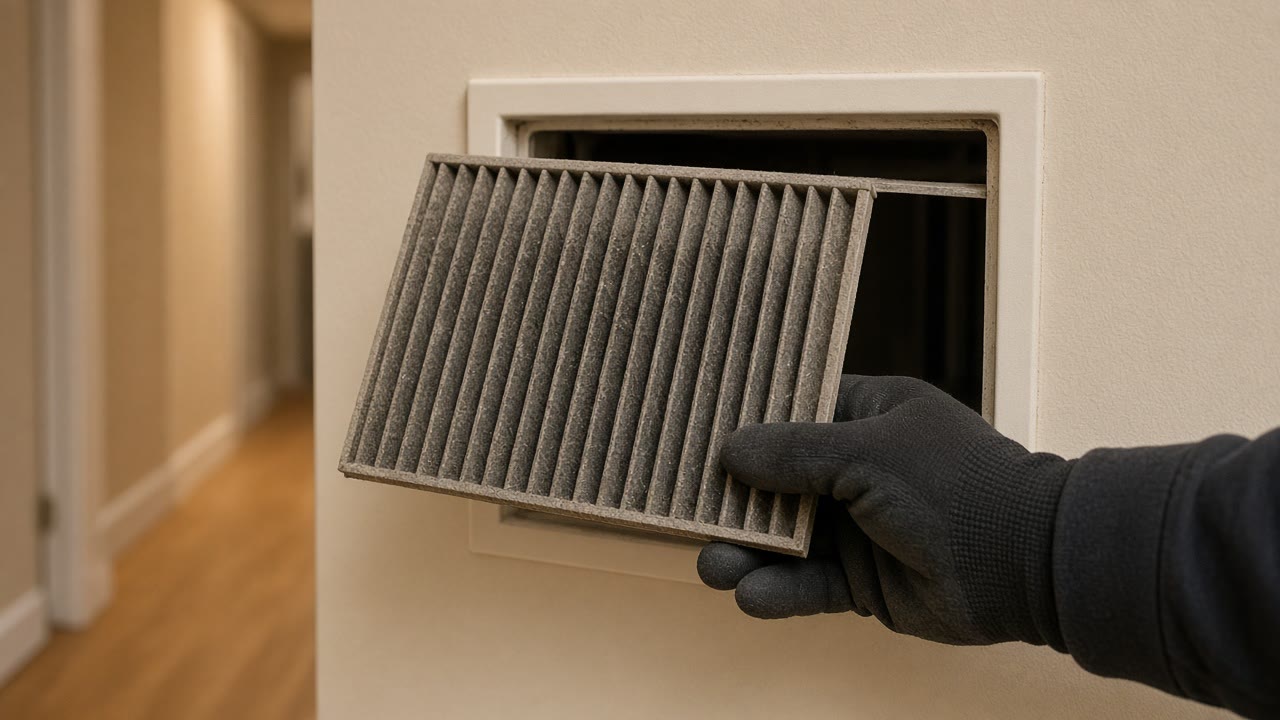
Work out why radiator, baseboard or steam heat has stopped warming the house, on a system that has no filter, no ducts and no blower.
Boiler Repair quote
Tell us what the gauge reads, which rooms are cold and whether you have radiators, baseboard or steam. We will put you in front of licensed, insured contractors who work on hydronic systems rather than treating yours as a furnace with pipes.
Would you rather talk it through? Call (315) 640-3590, answered 24/7.
$100 off your first job
Credited by us on your first booked job.
- One credit per customer per property, on your first booked job.
- Valid through December 31, 2026.
Mention this offer when you book. Full terms.
Why radiator heat fails differently
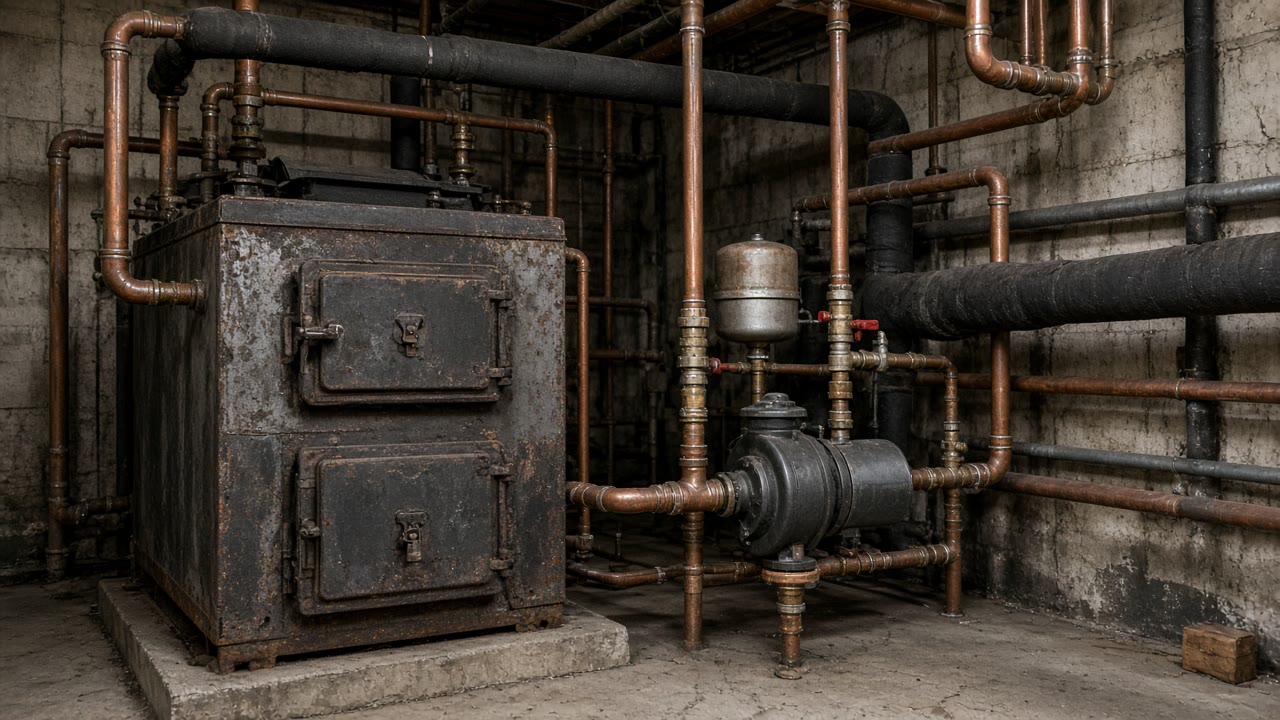
If your heat arrives through radiators or baseboard, nearly everything written online about no heat is about somebody else's house. Those pages are about filters, ducts and blowers, and your system has none of the three. It has a circulator pump, zone valves, an expansion tank, air vents and a pressure gauge, and it fails in ways a furnace never does: one room stone cold while the rest of the house is fine, a boiler that fires and short cycles, a gauge sitting near zero, a radiator that gurgles and stays cool across the top. This is a real population here and not a courtesy listing. The Energy Information Administration's 2020 Residential Energy Consumption Survey puts 4.48 million of the Middle Atlantic division's 16.04 million homes on steam or hot water heat, 27.9 percent, against 7.5 percent nationally. More than one home in four in this part of the country heats through pipe rather than duct, and the cheap faults on those systems are cheap in a completely different way.
- Circulator pump and pump relay faults, including a pump seized after sitting still through the summer
- Zone valve, zone control and end switch faults, which is the usual reason one zone stays cold while the rest of the house heats
- Air in the loop: bleeding radiators and baseboard, and finding where the air keeps coming from rather than bleeding it again next month
- Low water and feed faults: a failed automatic feeder, a closed isolation valve and a pressure reducing valve that has stopped passing
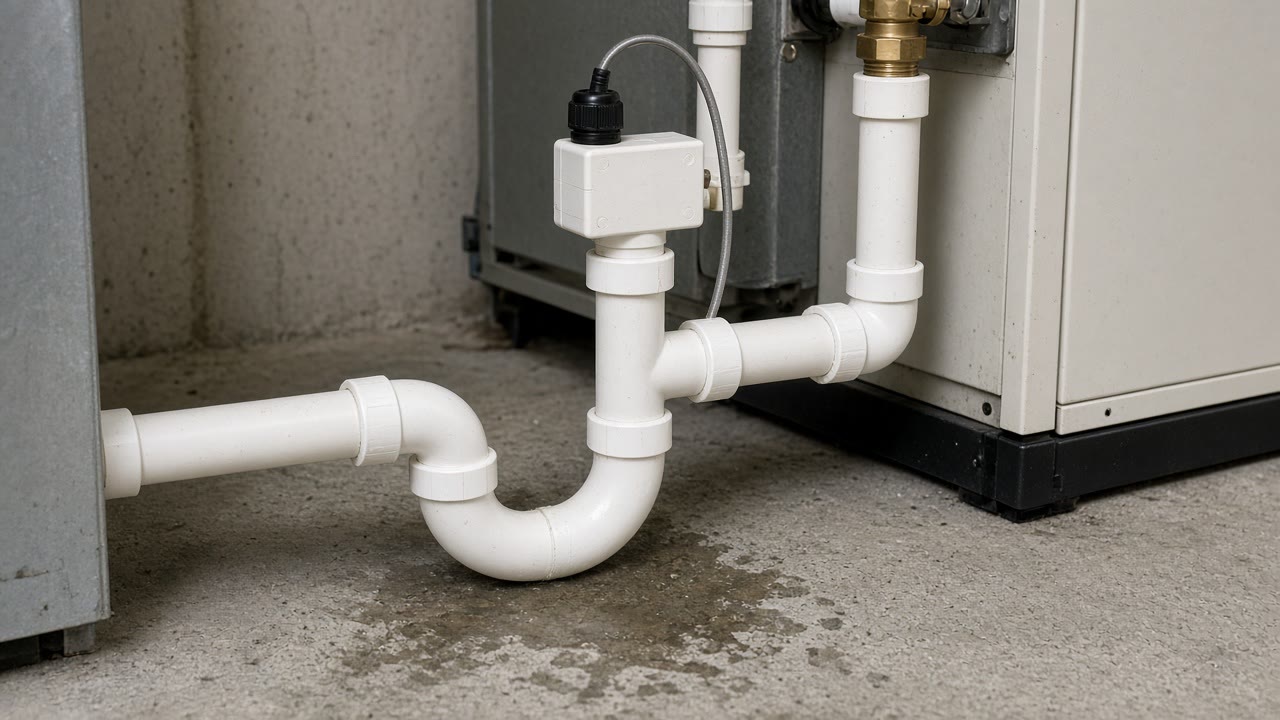
- Expansion tank failure, waterlogging and a pressure relief valve that keeps discharging onto the floor
- Aquastat, thermostat, outdoor reset and control faults on hot water boilers
- Steam specific work: low water cutoffs, main and radiator air vents, sight glasses, water level and skimming
- Ignition, gas valve and flame safeguard faults on gas fired boilers
- Oil burner faults on oil fired boilers: nozzle, electrodes, cad cell, pump and a fuel supply that has run out
- Leak tracing on piping, valve packings, radiator unions and the boiler itself
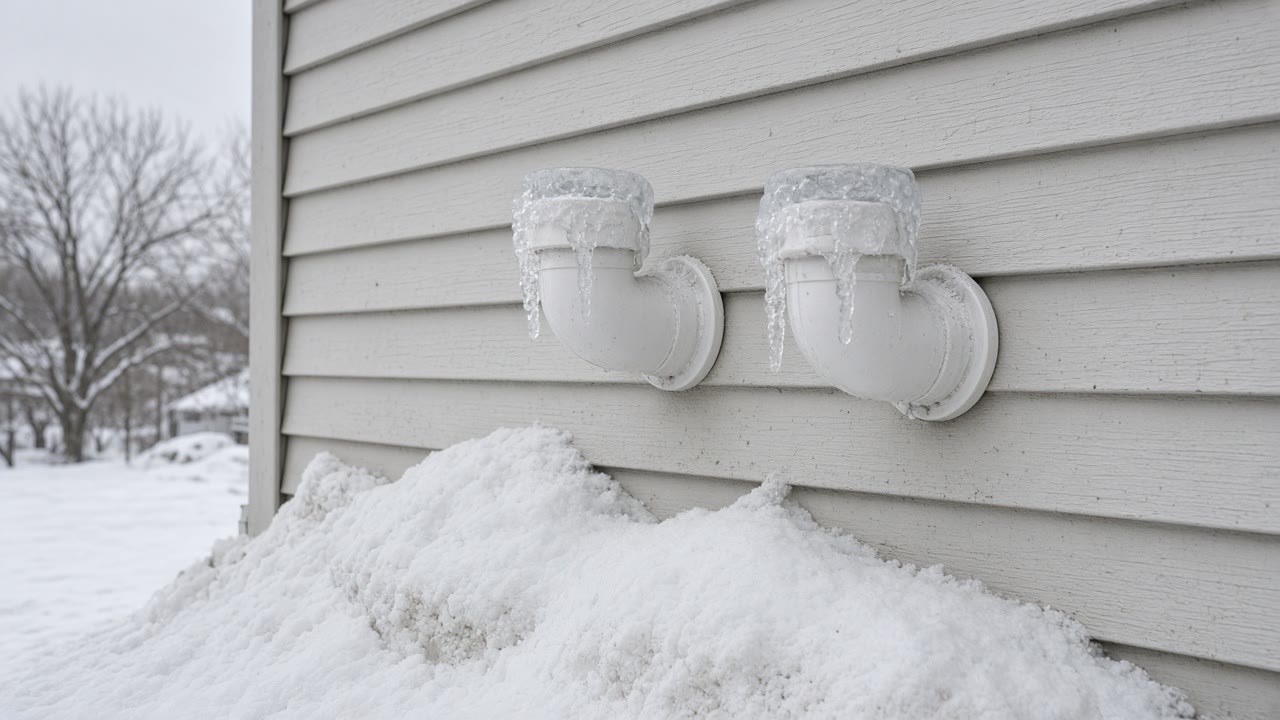
- Near boiler piping, draft and venting checks where combustion is in question
- A second opinion on a boiler another contractor has shut down and tagged
What decides the size of a boiler job
A boiler call can be a twenty minute bleed or a day on the near boiler piping, and the difference is usually visible from the basement floor before anyone touches a tool. These are the things that set it.
Steam or hot water, and you can tell from the basement floor
They are different machines that both feed radiators. A hot water system has a circulator pump on the pipework, a pressure gauge reading in the tens of psi and an expansion tank. A steam system has a sight glass with a water level in it, a low water cutoff and air vents on the radiators or the mains. The fault lists barely overlap, and the Energy Information Administration counts steam and hot water together at 27.9 percent of Middle Atlantic homes, so both are ordinary here in a way they are not in most of the country.
How old the distribution is, not just the boiler
The boiler may have been changed twice; the pipe and the radiators usually have not. The American Community Survey 2020-2024 estimates put 43.1 percent of the city of Syracuse's housing at 1939 or earlier and 51.4 percent at 1949 or earlier, with a median build year of 1948 plus or minus 2 years. Liverpool village is 50.2 percent pre 1940 and Skaneateles village is 54.3 percent. On that housing the boiler is often the newest thing in the loop, which is why a fault that looks like the boiler frequently is not.
Whether the boiler vents into a masonry chimney
Section 27-54(i) of the City of Syracuse Property Conservation Code requires equipment burning solid or liquid fuel to be connected to a suitable chimney or flue and not to a gas vent, and requires gas fired equipment to be vented where discharging combustion products into the space would be a hazard. The bigger point arrives at replacement rather than repair: section M1801.3 of the Residential Code of New York State requires a chimney or vent to be resized as necessary to control flue gas condensation and provide the required draft whenever an appliance is disconnected from it or connected to it. A modern appliance is smaller and its flue gases are cooler than the chimney was built for, and that cost is discovered at exactly the wrong moment. Ask what happens to the chimney before a quote is signed, not after.
What it burns and where the fuel comes from
A gas main does not run out. A tank does. The American Community Survey 2020-2024 estimates put the combined bottled gas and fuel oil share at 20.3 percent in the town of Skaneateles, the highest in Onondaga County, and 9.1 percent in Marcellus, while Fayetteville village records no fuel oil heating at all and the highest utility gas share in the county at 83.0 percent. On a delivered fuel system the supply is a separate failure path from the appliance, and on the coldest mornings of the year it has its own behavior.
Whether the address sits inside the city line, because boiler capacity is licensed separately
The City of Syracuse Board of Mechanical Examiners grades its mechanical licenses by equipment type and by capacity, and it measures the three sides of this trade with three different instruments. A Class C Residential HVAC Mechanical License covers homes of not more than two families with air conditioning to a maximum of 5 tons, furnaces up to 200 MBH input and boilers up to 399 MBH input. Class B Limited runs to boilers up to 2,000 MBH and furnaces up to 500 MBH. So the city's own licensing instrument treats boiler work as a separately measured thing from furnace work, which is exactly why this site treats it as a separate service. New York issues no statewide license for the trade, so outside the city line the question is a different one.
Whether the property is rented and who is making the call
It changes who is responsible before it changes what gets fixed. The American Community Survey 2020-2024 estimates report 41.6 percent of the city of Syracuse's occupied units as owner occupied, the lowest rate in the county, while the town of Manlius is 81.8 percent and the highest. Inside the city, section 27-54(a)(1) of the Property Conservation Code sets 68 degrees Fahrenheit from September fifteenth to May thirty first whenever the outside temperature is below 55 degrees, and section 27-14 says no owner or occupant may cause a required service or utility to be shut off for an occupied dwelling unit except for necessary repairs, alterations or emergencies.
Whether the carbon monoxide alarm has ever sounded
New York's alarm requirement exists because of this appliance. The Department of Health records that Amanda's Law, passed in 2009, is named for a sixteen year old who died of carbon monoxide poisoning from a leak in a defective boiler. Section 915.3.1 of the Fire Code of New York State requires detection in rooms and occupiable spaces containing a fuel burning appliance, which means the boiler room and not only the hallway upstairs. If an alarm has gone off at any point, that is a combustion question and it changes the order of the visit.
Cold radiators, or a boiler going nowhere?
Those are two different faults and the difference is visible from the basement floor.
How a boiler call runs
Read the pressure gauge and write the number down
On a hot water system the gauge on or beside the boiler is the single most useful thing you can tell a contractor before they arrive. A reading near zero points at the feed rather than at the boiler. A reading climbing toward the relief valve points at the expansion tank or the feed passing when it should not. It takes ten seconds and it reorders the whole visit. On a steam system, look at the sight glass instead and say where the water sits in it.
Check the thermostat, the emergency switch and the breaker
The red switch at the top of the basement stairs is the boiler's emergency switch and it gets knocked off like any other. Thermostat batteries die on a boiler exactly as they do on a furnace. The breaker may be labeled for something else entirely. None of that needs a tool and all of it is worth ruling out first.
Say which rooms are cold and which are not
One cold radiator on a warm floor is usually air or a valve. One whole zone cold while others heat points at a zone valve, a thermostat or a circulator. The entire house cold with the boiler firing points at circulation or water level. The entire house cold with the boiler silent points at the control side. Four different answers, and you can supply the information that separates them without leaving the kitchen.
The request is matched to a contractor who covers the address
They are licensed and insured. For a city of Syracuse address the relevant credential is a City mechanical license from the Board of Mechanical Examiners, earned on five years of documented experience for Class B and Class C, at least three of them working directly on installation and maintenance of these systems, a qualification review in front of the board, and a written examination passed at 70 percent. One year counts as 2,000 hours. That is a credential worth asking about rather than a sticker, and the licensing department answers on (315) 448-8773.
Water, air and pressure come before parts
A hydronic system that is short of water, full of air or wrongly pressurized will imitate half a dozen component failures at once. So the correct order is to establish the water level and the fill pressure, purge the air, confirm the circulator is actually moving water and only then start condemning parts. A boiler visit that begins by quoting a circulator pump before the gauge has been read has skipped the cheap half of the diagnosis.
Combustion and draft are checked on anything that burns
On a gas or oil boiler the burner, the flue connection and the draft get looked at as part of the call rather than as an extra. That is where a finding either clears the appliance or takes it out of service, and it is the one part of the visit that is not negotiable on price or on time.
You get the finding in writing, including the part that is not good news
Where the boiler has reached the end, the diagnosis says so and stops there. This site arranges repair. It does not sell boilers, and where a replacement is genuinely the answer the useful thing we can still do is warn you that the chimney is part of that job under section M1801.3 of the Residential Code of New York State, so that it appears in the quote rather than in a phone call afterwards.
What boiler repair looks like
What a boiler call does not cover
When you may not need this at all
- One cold radiator with the rest of the house warm is usually trapped air or a valve that has been closed, and bleeding a radiator is something a homeowner can do with a key and a cup. If it goes cold again in a month the air is coming from somewhere, and that is the call worth making.
- A pressure gauge reading near zero on a hot water system usually means the feed rather than the boiler. It still wants attention, but it is a small job, and knowing that before you telephone stops a small job being sold as a large one.
- Thermostat batteries and the red emergency switch at the top of the basement stairs account for calls that never needed to be made. Check both.
- If the heat is fine and it is only the hot water that has failed, the water heater is a separate appliance in most houses in this county and this is not the service you need.
- If the house has radiators upstairs and warm air vents downstairs, or the other way round, say so. Split systems in old houses are common here and the failing half decides which service this is.
- If you rent inside the City of Syracuse, section 27-54(a)(1) of the Property Conservation Code requires 68 degrees Fahrenheit in habitable rooms from September fifteenth to May thirty first whenever the outside temperature drops below 55 degrees, measured two feet from an exterior wall and five feet above the floor. That is your landlord's duty, not your repair to arrange.
- New York may pay toward this. The Home Energy Assistance Program's Heating Equipment Repair and Replacement benefit covers a furnace, boiler and other direct heating equipment needed to keep a home's primary heating source working, for eligible homeowners. Onondaga County administers it on (315) 435-2700 from 421 Montgomery Street, and states that this component must be applied for by telephone or in person rather than online. Check eligibility with the county.
- One thing to save you a telephone call: Onondaga County states plainly that it is no longer administering the HEAP Clean and Tune benefit, while the state Department of Health's carbon monoxide page still describes clean, tune, repair or replacement as available. The county administers the program, so the county's answer is the one that governs, and the repair and replacement component is the part that is still live.
- If a carbon monoxide alarm is sounding, leave first. The New York State Department of Health says to get everyone out into fresh air immediately and contact the fire department and the gas company or a heating contractor.
What is out of scope
- Selecting, sizing and installing a new boiler, and converting a house from radiator heat to anything else.
- Domestic hot water heaters and the plumbing beyond the heating loop.
- Rebuilding, relining or resizing a masonry chimney as masonry work, which is arranged as masonry and priced that way even though the code requirement is triggered by the appliance.
- Oil tank replacement, removal and cleanup after a spill.
- Removing and refitting radiators for decorating, flooring or renovation work.
- Replacing pipe buried in a slab or under a floor as a planned project rather than as a leak repair.
- Adding zones, adding radiators or extending the system into new space.
- Putting a tagged appliance back into service. A second opinion is arranged instead.
- Warm air furnaces and ductwork, which are their own service and their own license capacity inside the city.
Towns where we arrange boiler and radiator work
- Boiler Repair in Syracuse
- Boiler Repair in North Syracuse
- Boiler Repair in East Syracuse
- Boiler Repair in Liverpool
- Boiler Repair in Cicero
- Boiler Repair in Clay
- Boiler Repair in Salina
- Boiler Repair in DeWitt
- Boiler Repair in Fayetteville
- Boiler Repair in Camillus
- Boiler Repair in Baldwinsville
- Boiler Repair in Marcellus
- Boiler Repair in Skaneateles
- Boiler Repair in Solvay
What people ask about radiator and boiler heat
One radiator is cold and all the others are hot. Is that the boiler?
Almost never. If the rest of the house is heating, the boiler is making heat and the problem is getting that heat to one emitter. On a hot water system the usual causes are air trapped at the top of that radiator, a valve closed or seized, or a thermostatic head stuck shut. On steam it is usually the radiator air vent, which has to let air out before steam can get in, and a blocked one keeps the radiator cold no matter how hard the boiler works. Bleeding a hot water radiator is a homeowner job. The question worth asking is why the air arrived, because a loop that needs bleeding every few weeks is taking water in from somewhere and losing it somewhere else.
The pressure gauge is reading almost nothing. How serious is that?
Serious in the sense that the system cannot circulate properly, and usually small in the sense of what it takes to fix. A hot water system needs enough pressure to push water to the highest radiator in the house, so a gauge near zero explains cold upstairs rooms on its own. The common causes are a pressure reducing valve that has stopped passing, a closed feed valve after somebody worked on the system, or water leaving through a relief valve or a leak. Write the number down before you telephone. It moves the visit forward more than any description of a noise.
Why is everything I read about no heat about filters and ducts?
Because most of it is written for the country as a whole, and the country as a whole heats with warm air. The Energy Information Administration's 2020 survey reports 9.29 million of 123.53 million homes nationally on steam or hot water, 7.5 percent. In the Middle Atlantic division it is 4.48 million of 16.04 million, 27.9 percent, nearly four times the national rate. So national troubleshooting advice describes somebody else's house here more often than it does anywhere else. The failures on your system are circulator pumps, zone valves, expansion tanks, air in the loop and low water, and none of those appear in an article about changing a filter.
My boiler is from the 1960s. Does that mean it has to go?
Not on its own. The Energy Information Administration reports 31.1 percent of main heating equipment in the Middle Atlantic division at twenty years or older, against 19.1 percent nationally, so old heating equipment here is the normal case rather than evidence of neglect. What age legitimately changes is parts availability and the likely cost of the next failure, and both are fair to ask about before agreeing to a repair. There is also a cost that only appears at replacement and should be raised before you decide: section M1801.3 of the Residential Code of New York State requires the chimney or vent to be resized as necessary whenever an appliance is disconnected from it or a new one connected, because a modern appliance produces cooler flue gases than the chimney was built for. That is a real number and it belongs in the comparison rather than arriving afterwards.
Is a boiler harder to work on than a furnace?
It is a different trade rather than a harder one, and the City of Syracuse's own licensing says so. The Board of Mechanical Examiners grades mechanical licenses by equipment and capacity, and it measures boilers in MBH input separately from furnaces in MBH input and separately again from air conditioning in tons. Class C Residential caps a boiler at 399 MBH input, a furnace at 200 MBH and air conditioning at 5 tons; Class B Limited runs to 2,000 MBH boilers. Whatever else that tells you, it tells you the city does not regard these as one job. Outside the city line New York issues no statewide license for the trade, so the question there is about the municipality and about insurance rather than about a state credential that does not exist.
Does replacing a boiler need a permit in Onondaga County?
It depends which municipality you are in, and the answers genuinely differ. 19 NYCRR 1203.3(a)(1) requires permits for work that must conform to the Uniform Code, then allows each authority having jurisdiction to exempt listed categories in its own program, including equipment replacement that does not alter the equipment's listing. That exemption is optional, so each town, village and city decides. The Village of Liverpool names new and replacement boilers on its permit list and publishes a separate mechanical and heating appliance application. The Town of Salina lists additions or new heating systems and does not mention replacement, which is worth one telephone call before the work rather than after. The Town of DeWitt requires a signed estimate with the application, which quietly means a contractor who will not put the number in writing cannot get the permit either. In the City of Syracuse the HVAC permit is a separate trade permit from any residential construction permit.
The carbon monoxide alarm sounded and the boiler is running. What do I do?
Get everyone out into fresh air and call from outside. That is the New York State Department of Health's own instruction, along with contacting the fire department and the gas company or a heating contractor. The state also publishes a pattern test that is more useful than any single symptom: suspect carbon monoxide where symptoms start or worsen soon after a fuel burning device comes on, where more than one person in the area becomes ill at the same time, or where people feel better after leaving the building. Nobody should tell you that a particular symptom proves carbon monoxide is present, and this page will not. What it will tell you is that the alarm on your wall exists because of a defective boiler that killed a teenager, which is why New York wrote Amanda's Law to reach every existing home rather than only new construction.
Tell us what the system is doing
Which rooms are cold, what the gauge reads, and whether it is steam or hot water.