
Boiler and Radiator Repair in East Syracuse
A radiator system fails at the circulator, the zone valve, the expansion tank or the water level. None of those is the part people expect.
Boiler Repair quote in East Syracuse
Share a few details so we can confirm coverage and arrange the right next step.
Would you rather talk it through? Call (315) 640-3590, answered 24/7.
$100 off your first job
Credited by us on your first booked job.
- One credit per customer per property, on your first booked job.
- Valid through December 31, 2026.
Mention this offer when you book. Full terms.
The order a hydronic call should be worked in
First, say how much of the house is cold, because that single fact splits the diagnosis in half. One cold radiator is a local problem: a vent, a valve, trapped air or an obstruction. A whole cold house is a system problem: the circulator, the pressure, the boiler's own controls or the water level. Second, say whether the boiler is firing. A boiler that will not light is a combustion or control question; a boiler that fires steadily while the house stays cold is a circulation question and no amount of work on the burner will touch it. Third, if there is a pressure gauge, read it and tell us the number, because a system that has been topped up repeatedly is losing water somewhere and finding where matters more than any single part. In housing this old the answer is sometimes a pipe rather than the appliance.
One radiator or the whole house
That answer decides the entire visit. A single cold emitter points at the emitter or its valve. A whole cold house points at the circulator, the water level or the boiler controls, and the parts on the van are completely different.
Read the pressure gauge and tell us the number
If you have been adding water more than once a season, the system is losing it and that is the actual fault. Finding the leak is worth more than replacing whichever component happened to give up first.
Steam and hot water are the local default, not the exception
27.9 percent of Middle Atlantic homes heat with steam or hot water against 7.5 percent nationally. In a village that is 54 percent prewar, checklists written for the national average will send you to parts your system does not have.
27.9 percent regionally on steam or hot water, and 791 prewar homes
The American Community Survey 2020-2024 five-year estimates report the median year structure built in East Syracuse village as 1939 or earlier, the bottom category the table publishes. Of 1,464 housing units, 791 were built in 1939 or earlier, 54.0 percent, 1,314 were built before 1980, 89.8 percent, and the estimate for units built in 2000 or later is zero.
Source: US Census Bureau, American Community Survey 2020-2024 5-year estimates, tables B25034, B25035 and B25040, East Syracuse village, New York, accessed 2026-09-13
The Energy Information Administration's 2020 Residential Energy Consumption Survey reports 16.04 million homes in the Middle Atlantic census division, which is New York, New Jersey and Pennsylvania. Of those, 8.24 million use a central warm-air furnace as their main heating equipment and 4.48 million use a steam or hot water system, which is 27.9 percent. Nationally the survey reports 9.29 million of 123.53 million homes on steam or hot water, which is 7.5 percent. Heat pumps are the main heating equipment in 0.68 million Middle Atlantic homes, 4.2 percent, against 16.13 million nationally, 13.1 percent.
Source: US Energy Information Administration, 2020 Residential Energy Consumption Survey, Table HC6.7, Space heating in homes in the Northeast and Midwest regions, final data release March 2023, accessed 2026-09-13
Of 1,350 occupied housing units in East Syracuse village, the American Community Survey 2020-2024 five-year estimates report 905 heated with utility gas, 67.0 percent, 367 with electricity, 27.2 percent, 58 with bottled, tank or LP gas, 4.3 percent, and 20 with wood. No units are recorded on fuel oil. Of the occupied units, 711, 52.7 percent, are owner occupied.
Source: US Census Bureau, American Community Survey 2020-2024 5-year estimates, tables B25040 House Heating Fuel and B25003 Tenure, East Syracuse village, New York, accessed 2026-09-13
The New York State Department of State records that Amanda's Law is Chapter 367 of the Laws of 2009 and that it amended Executive Law section 378(5-a). Before it, the codes required carbon monoxide alarms only in one and two family dwellings, townhouses and condominium or cooperative dwelling accommodations constructed or offered for sale after July 30, 2002, and in multiple dwellings constructed or offered for sale after August 9, 2005. The rule implementing Amanda's Law amended the Residential Code and the Fire Code of New York State to require the installation of carbon monoxide alarms in all one and two family dwellings, townhouses, dwelling accommodations in condominiums and cooperatives, and multiple dwellings, without regard to the date of construction or sale.
What boiler repair involves
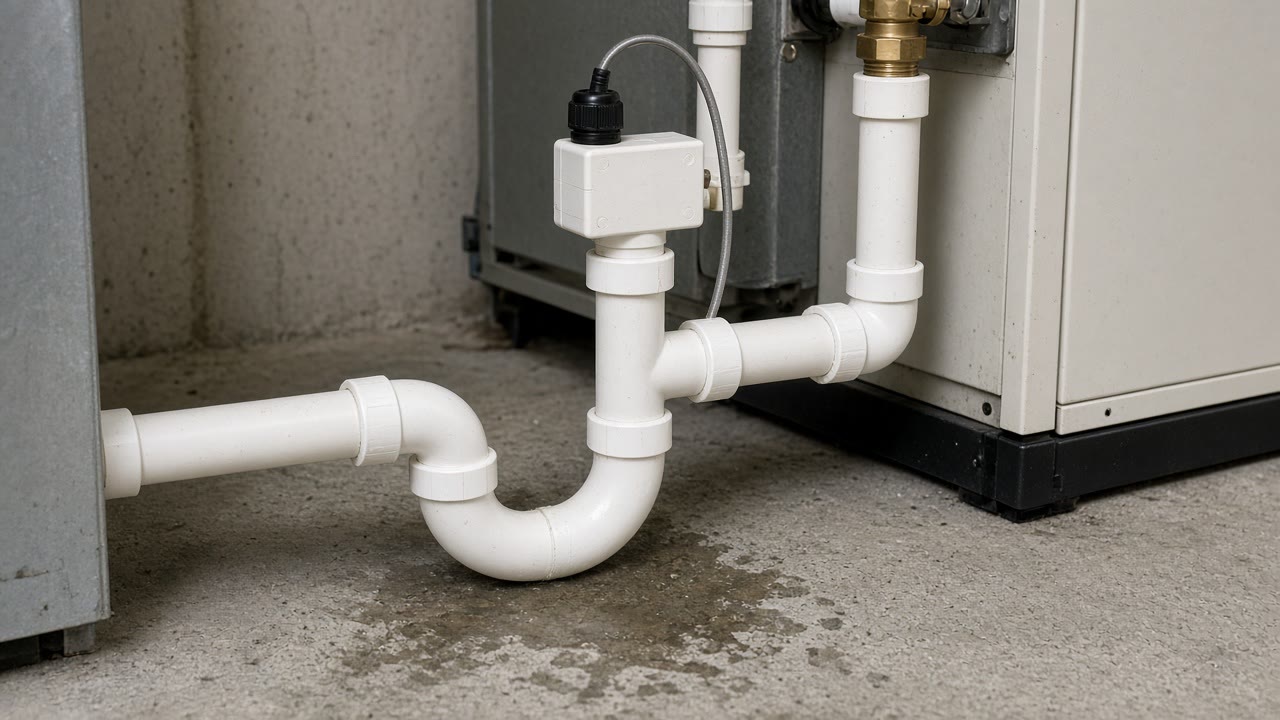
The hydronic fault list, which is not the furnace fault list
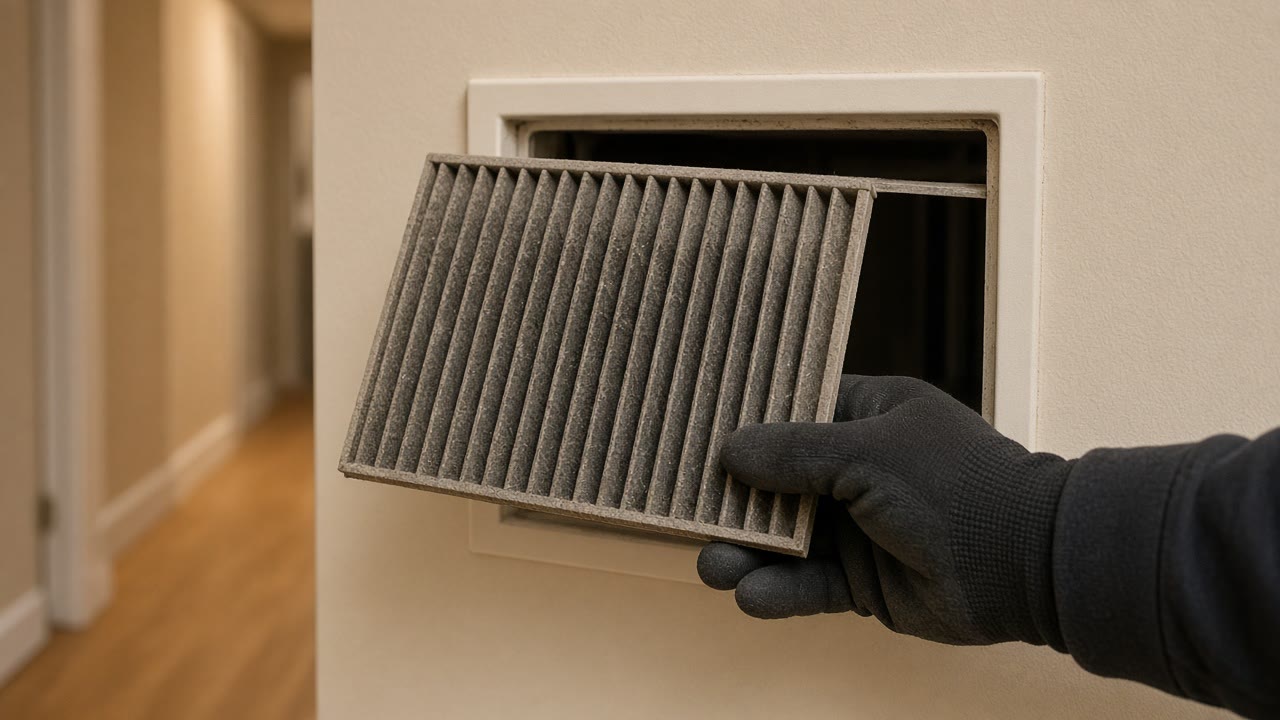
Generic no-heat advice is written for ducted houses and it is useless to you. A boiler has no filter to change, no blower to check and no vents to open, and the components that actually stop it are the circulator, the zone valve, the expansion tank and the water level. Radiator heat is far more common here than the national picture suggests: across New York, New Jersey and Pennsylvania 27.9 percent of homes run steam or hot water against 7.5 percent nationally. In a village with a median year built of 1939 or earlier and 791 of its 1,464 units put up before 1940, that regional share lands heavily on this particular street plan.
Boiler firing and the radiators still cold?
That is circulation, not combustion. Send the East Syracuse address and the pressure reading and we will get the right trade out.
Village questions about radiators, pressure and old pipework
I keep topping the boiler up. Is that a problem?
Yes, and it is worth treating as the fault rather than as maintenance. A closed hydronic system should hold its water. If you are adding some every few weeks the system is losing it, and the water it is losing brings fresh oxygen and fresh minerals in with the replacement, which is hard on everything downstream. The leak may be a relief valve discharging, a failed expansion tank, a seep at a fitting or a pipe under a floor. In a village where most of the housing predates 1940, buried and boxed-in pipework is common. Tell us how often you top it up and whether you see anything wet, and that becomes the first thing looked for.
Does a house with radiators still need a carbon monoxide alarm?
If the boiler burns fuel, absolutely, and New York wrote the requirement to reach exactly this kind of housing. Amanda's Law, Chapter 367 of the Laws of 2009, amended the codes so the alarm requirement covers all one and two family dwellings without regard to the date of construction or sale, replacing an earlier rule that only reached homes built or offered for sale after 2002. A village with 791 prewar units and no new construction recorded since 2000 is precisely the stock that earlier rule missed. The alarm goes in the room containing the fuel burning appliance, which here usually means the basement.
Tell us what your radiators are doing
One room or the whole house, steam or hot water, plus the ZIP code. There is no obligation and we will be straight about it.