
Boiler and Radiator Repair in the City of Syracuse
Before anyone prices a boiler part, the city code has something to say about the room it sits in and the flue it uses.
Boiler Repair quote in Syracuse
Share a few details so we can confirm coverage and arrange the right next step.
Would you rather talk it through? Call (315) 640-3590, answered 24/7.
$100 off your first job
Credited by us on your first booked job.
- One credit per customer per property, on your first booked job.
- Valid through December 31, 2026.
Mention this offer when you book. Full terms.
Work through the room before you price the appliance
Order matters on a hydronic call. Start with what the system is doing: one cold radiator is a valve or an air lock, a whole cold house is the boiler, the circulator or the pressure, and a boiler that fires and gets nowhere is usually circulation rather than combustion. Then look at the enclosure, because a city basement that has been finished, insulated or fitted with a new door since the boiler went in may no longer supply the combustion air the code section requires. Finally ask what the flue is. Half the city predates 1949, so masonry chimneys are common and a liquid fuel appliance connected into a gas vent is a defect you want named on paper and not talked around.
One cold radiator is not the same call as a cold house
Say which you have in the first sentence. A single cold emitter points at a valve, a vent or an air lock. A whole house that will not warm points at the boiler, the circulator or the water level. They are different visits and different parts.
Check what changed in the basement, not just on the boiler
The city requires the equipment and its enclosure to be supplied with air adequate to replenish what complete combustion consumes at rated output. Finishing a basement, sealing a door or adding an exhaust fan can change that without anybody going near the appliance.
Radiator systems do not respond to furnace advice
Across New York, New Jersey and Pennsylvania 27.9 percent of homes run steam or hot water heat against 7.5 percent nationally, so generic no-heat checklists written for ducted houses are useless to you. There is no filter to change and no vents to open.
What 27-54 asks of a Syracuse boiler room
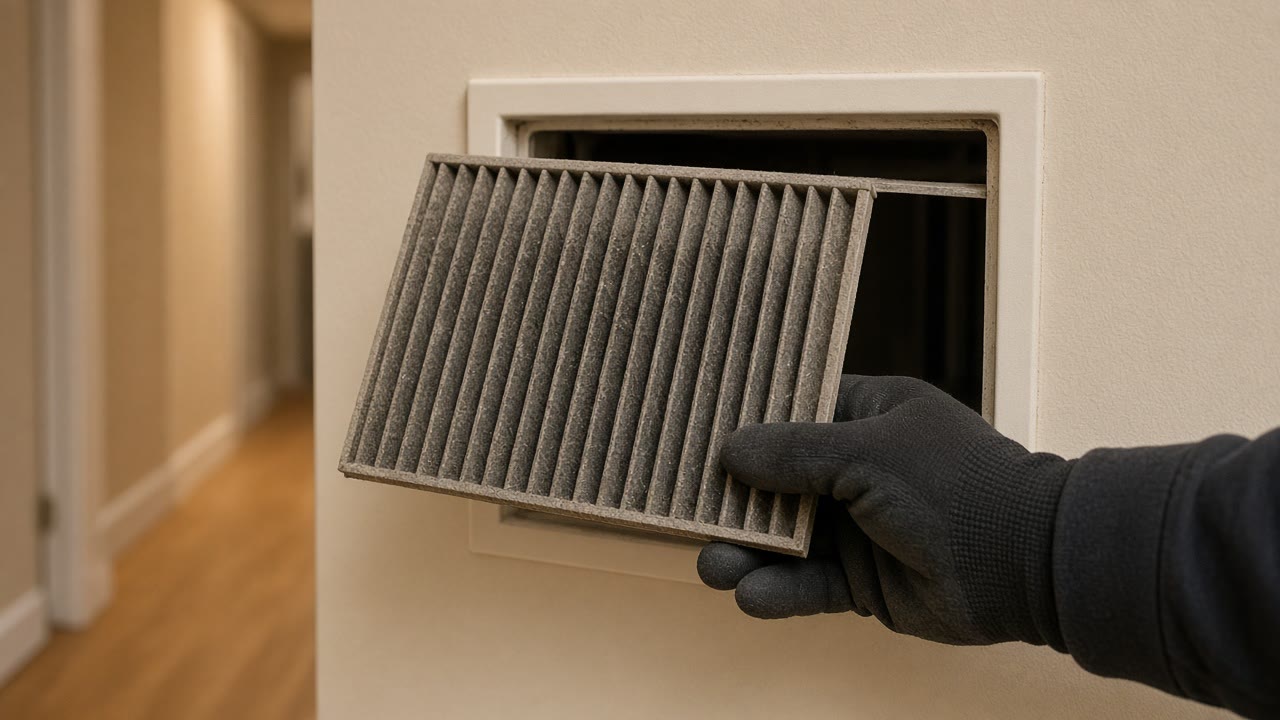
Section 27-54(h) of the City of Syracuse Property Conservation Code requires that direct-fired heat producing equipment and the enclosure it sits in be provided with a supply of air adequate to replenish that consumed by complete combustion at the rated gross output of the equipment and to ventilate the enclosure, supplied by one or more openings to the exterior or by fixed openings to interior spaces that open to the exterior. Section 27-54(i) requires equipment burning solid or liquid fuel to be connected to suitable chimneys or flues and not to gas vents, prohibits unvented liquid fuel heaters, and requires gas-fired equipment to be connected to a suitable chimney, flue or gas vent where discharging combustion products into the space would be a hazard.
Source: City of Syracuse Property Conservation Code, section 27-54, Heating, paragraphs (h) and (i), 2020 compilation published by the City of Syracuse, accessed 2026-09-13
The American Community Survey 2020-2024 five-year estimates put the median year structure built in the city of Syracuse at 1948, with a margin of error of plus or minus 2 years. Of the city's 67,601 housing units, 29,152 were built in 1939 or earlier, which is 43.1 percent, 34,780 were built in 1949 or earlier, 51.4 percent, and 57,777 were built before 1980, 85.5 percent. Only 4,333 units, 6.4 percent, were built in 2000 or later. Of 59,816 occupied units, 24,889 are owner occupied, 41.6 percent.
Source: US Census Bureau, American Community Survey 2020-2024 5-year estimates, tables B25034, B25035 and B25003, Syracuse city, New York, accessed 2026-09-13
The Energy Information Administration's 2020 Residential Energy Consumption Survey reports 16.04 million homes in the Middle Atlantic census division, which is New York, New Jersey and Pennsylvania. Of those, 8.24 million use a central warm-air furnace as their main heating equipment and 4.48 million use a steam or hot water system, which is 27.9 percent. Nationally the survey reports 9.29 million of 123.53 million homes on steam or hot water, which is 7.5 percent. Heat pumps are the main heating equipment in 0.68 million Middle Atlantic homes, 4.2 percent, against 16.13 million nationally, 13.1 percent.
Source: US Energy Information Administration, 2020 Residential Energy Consumption Survey, Table HC6.7, Space heating in homes in the Northeast and Midwest regions, final data release March 2023, accessed 2026-09-13
Of 59,816 occupied housing units in the city of Syracuse, the American Community Survey 2020-2024 five-year estimates report 41,477 heated with utility gas, 69.3 percent, 15,088 with electricity, 25.2 percent, 999 with bottled, tank or LP gas, 1.7 percent, 585 with fuel oil or kerosene, 1.0 percent, 960 using no fuel at all, 1.6 percent, and small numbers on wood, coal and solar.
Source: US Census Bureau, American Community Survey 2020-2024 5-year estimates, table B25040, House Heating Fuel, Syracuse city, New York, accessed 2026-09-13
What boiler repair involves
The city rule about the room your boiler lives in
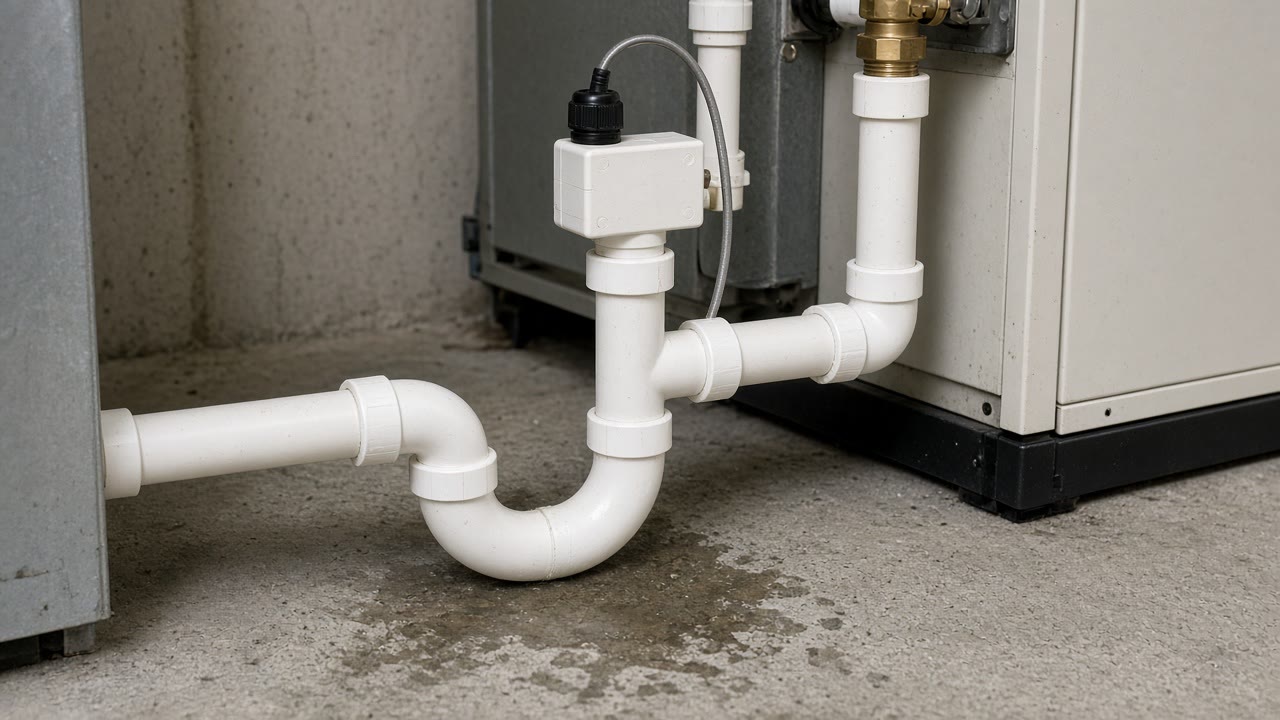
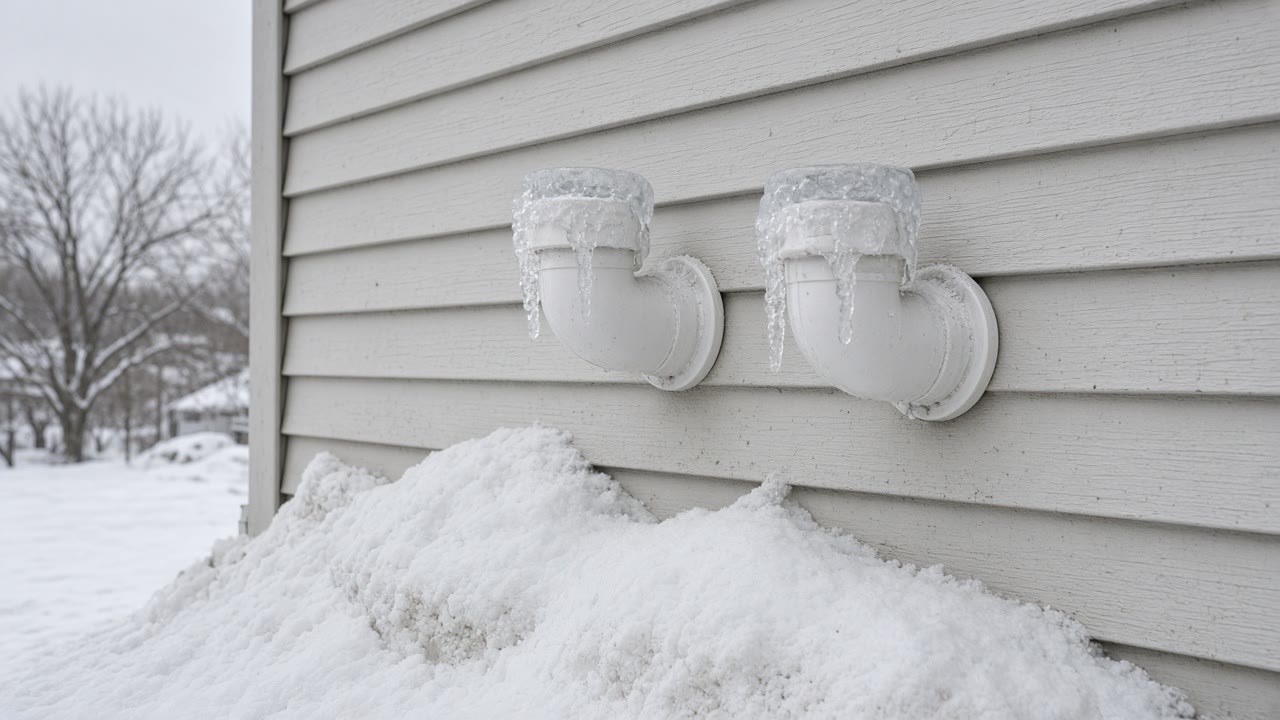
Cold radiators get fixed at the circulator, the zone valve, the expansion tank or the water level, and none of those is an expensive part. What turns a cheap job into a serious one is the room rather than the boiler, and in Syracuse that is written down. Section 27-54(h) of the Property Conservation Code requires direct-fired heating equipment and its enclosure to have an air supply large enough to replace what complete combustion consumes at the equipment's rated output, through openings to the exterior or to spaces that open to the exterior. Section 27-54(i) adds that solid and liquid fuel equipment goes to a chimney or flue and never to a gas vent. A tidy, sealed-up basement can put an old boiler outside both of those sentences without anybody touching the boiler.
Boiler firing and the house still cold?
That is usually circulation rather than combustion. Send the city address and describe what the pipes are doing and we will get the right trade to it.
City questions about radiators, flues and boiler rooms
My city radiators are cold at one end of the house. Where does that start?
With the emitters rather than the boiler. On hot water, a run that goes cold at the far end is usually air, a closed or seized valve, or a circulator that is no longer moving enough water. On steam it is more often a vent that has failed shut or a pitch problem in the pipe. Either way the boiler may be working perfectly. Tell us whether the cold radiators are upstairs or at the end of a run, whether the pipes are single or paired, and whether you hear water or banging, and the contractor arrives knowing which system is in front of them.
The basement is finished now. Does that matter to the boiler?
It can, and it is the question people are most surprised by. The city requires direct-fired equipment and the enclosure around it to be supplied with air adequate to replenish what complete combustion uses at the equipment's rated gross output, through openings to the outside or to interior spaces that open to the outside. Drywall, a new solid door, added insulation or a powerful exhaust fan can all change the air available in that room. If the basement has been worked on since the boiler was installed, say so when you write to us, because it changes what the contractor checks first.
Tell us what your city radiators are doing
Say whether it is one room or the whole house, whether you have steam or hot water, and give the ZIP code. There is no obligation.