
Emergency Heating Repair in Fayetteville Village
If an alarm is sounding, this is not a repair call yet. Everyone out into fresh air, then the fire department and the gas company.
Emergency Repair quote in Fayetteville
Share a few details so we can confirm coverage and arrange the right next step.
Would you rather talk it through? Call (315) 640-3590, answered 24/7.
$100 off your first job
Credited by us on your first booked job.
- One credit per customer per property, on your first booked job.
- Valid through December 31, 2026.
Mention this offer when you book. Full terms.
The pattern the state says to recognize before you call anyone
Fayetteville has the highest utility gas share of any place in Onondaga County, 1,531 of 1,845 occupied units, so the overnight question here more often than anywhere else in the metro involves combustion. The New York State Department of Health publishes a pattern worth knowing before you need it. Suspect carbon monoxide where symptoms occur or worsen soon after a fuel burning device is turned on, where more than one person in the area becomes ill at the same time, or where those who are ill feel better after leaving the area. The gas is colorless and odorless and can kill before a person is aware it is present, and the state records exposure as the leading cause of poisoning deaths in the United States.
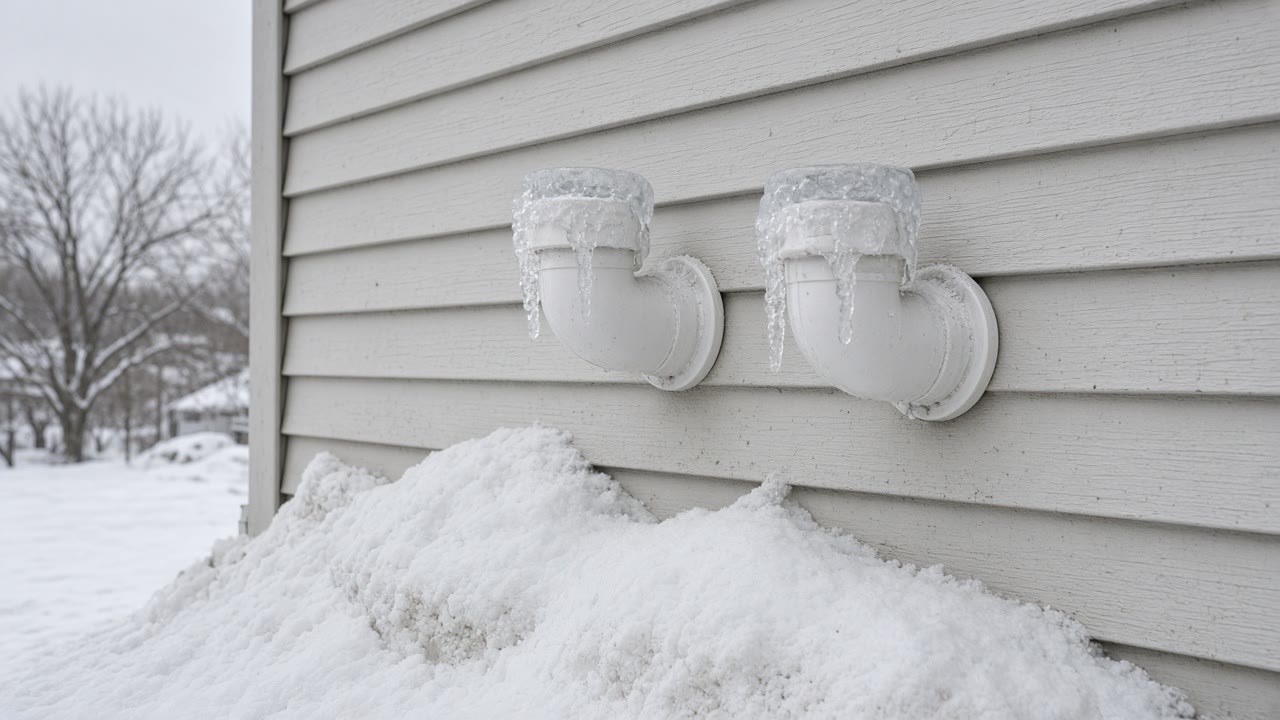
What emergency repair involves
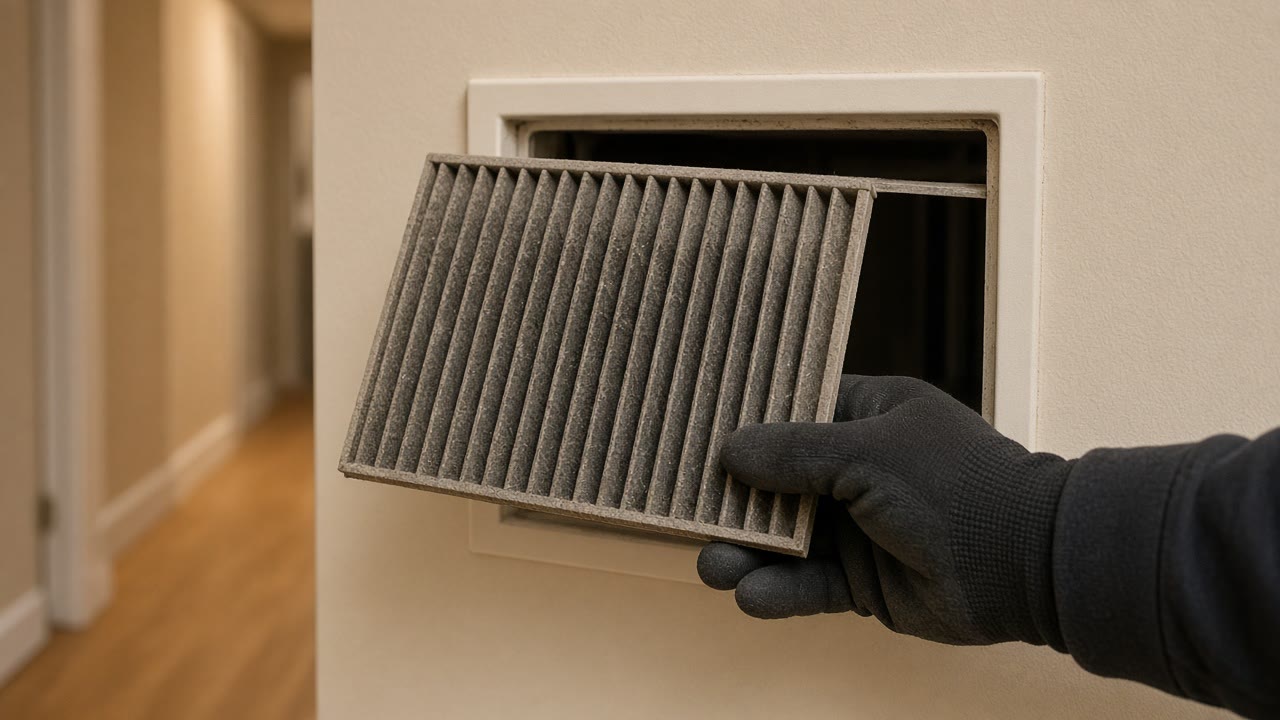
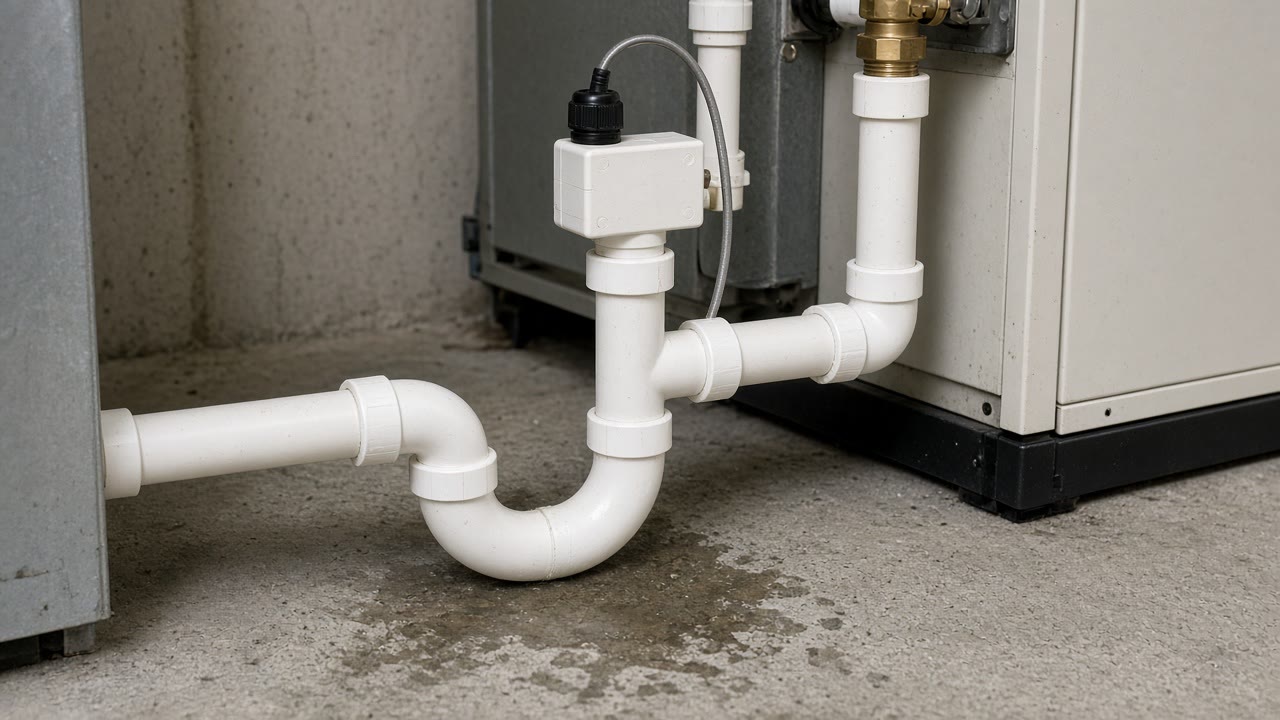
The sequence tonight, in order
One: if an alarm is sounding or the pattern above fits, get everyone out into fresh air and contact the fire department and the gas company. A quote form is the wrong first move and so is opening windows and waiting to see. Two: once the building is safe, or if there was never an alarm in the first place, decide whether the cold is a tonight problem, which turns on who is in the house and how cold it is outside rather than on the age of the appliance. Three: do the checks that cost nothing, the thermostat, the switch on the appliance casing, the breaker, and how many times it has locked out. Four: resist any purchasing decision made in a cold house at 2am. The village's housing is 77.2 percent pre-1980 and the appliance has probably been there a long time. It can wait for daylight and a written price.
More than one person unwell at once is the signal
The state names three patterns: symptoms starting or worsening soon after a fuel burning device turns on, more than one person in the area becoming ill at the same time, and those affected feeling better after leaving. Any of them means out and call.
Do not wait to see whether it clears
The state's instruction is to get everyone out into fresh air immediately and contact the fire department and the gas company or a heating contractor. Ventilating and observing is not the published advice and it is not a safe substitute for leaving.
Tonight is for heat, not for buying equipment
In a village that is 77.2 percent pre-1980, plenty of overnight calls end with somebody suggesting a bigger conversation. That conversation is better had in daylight with a written price in front of you.
What the state says to do, and why the law exists
The New York State Department of Health states that carbon monoxide is a colorless, odorless gas that can kill before a person is aware it is present, and that carbon monoxide exposure is the leading cause of death due to poisoning in the United States. It advises installing alarms and checking them twice a year, and scheduling annual maintenance for furnaces and other heat sources. It states that poisoning should be suspected where symptoms occur or worsen soon after a fuel-burning device is turned on, where more than one person in the area becomes ill at the same time, or where those who are ill feel better after leaving the area, and that anyone suspecting it should get everyone out into fresh air immediately and contact the fire department and the gas company or a heating contractor.
Source: New York State Department of Health, Take Steps to Prevent Carbon Monoxide Poisoning, revised December 2025, accessed 2026-09-13
Of 1,845 occupied housing units in Fayetteville village, the American Community Survey 2020-2024 five-year estimates report 1,531 heated with utility gas, 83.0 percent, the highest utility gas share of any place in Onondaga County, with 285 on electricity, 15.4 percent, and 20 on bottled, tank or LP gas, 1.1 percent. No units are recorded on fuel oil. Of the occupied units, 1,418, 76.9 percent, are owner occupied.
Source: US Census Bureau, American Community Survey 2020-2024 5-year estimates, tables B25040 House Heating Fuel and B25003 Tenure, Fayetteville village, New York, accessed 2026-09-13
The New York State Department of Health states that Amanda's Law was passed in 2009 and was named for a 16 year old who died of carbon monoxide poisoning from a leak in a defective boiler, and that the law requires carbon monoxide detectors to be installed in all dwellings including single and multiple family homes, apartment buildings, hotels and motels, boarding houses, fraternity and sorority buildings and school dormitories.
Source: New York State Department of Health, Take Steps to Prevent Carbon Monoxide Poisoning, revised December 2025, accessed 2026-09-13
The American Community Survey 2020-2024 five-year estimates put the median year structure built in Fayetteville village at 1961, plus or minus 5 years. Of 2,092 housing units, 434 were built in 1939 or earlier, 20.7 percent, 1,616 before 1980, 77.2 percent, and 170, 8.1 percent, in 2000 or later.
Source: US Census Bureau, American Community Survey 2020-2024 5-year estimates, tables B25034, B25035, B25040 and B25003, Fayetteville village, New York, accessed 2026-09-13
Alarm sounding right now?
Leave the building and call the fire department and the gas company first. When the house is safe, send us the address and we will arrange the repair.
What we arrange once the building is safe
Overnight questions from Fayetteville households
The alarm sounded and then stopped. Can we go back in?
Not on the strength of the alarm going quiet. Get everyone out into fresh air and contact the fire department and the gas company, and let them tell you the building is safe. Carbon monoxide is colorless and odorless and the state records exposure as the leading cause of poisoning deaths in the United States, which is precisely why the instruction is to leave rather than to investigate. An alarm that has sounded once is a reason to have the appliance examined before it runs again, whatever it does afterwards. Once the building is clear, send us the address and we will arrange that examination.
Why does New York require alarms in old houses as well as new ones?
Because of what happened when it did not. The state health department records that Amanda's Law was passed in 2009 and named for a sixteen year old who died of carbon monoxide poisoning from a leak in a defective boiler, and that it requires carbon monoxide detectors in all dwellings, including single and multiple family homes, apartment buildings, hotels and motels and dormitories. The rule that implemented it reached existing one and two family dwellings without regard to the date of construction or sale, replacing an earlier requirement that only covered homes built or offered for sale after 2002. In a village that is 77.2 percent pre-1980, that distinction is the whole point.
Tell us what happened tonight
Whether an alarm sounded, what the system did, and the ZIP code. There is no obligation and no pressure to decide anything at 2am.