
Furnace Repair in the Village of Fayetteville
Five homes in six here burn gas, the highest share in the county, and that makes the unglamorous checks the ones that earn their place.
Furnace Repair quote in Fayetteville
Share a few details so we can confirm coverage and arrange the right next step.
Would you rather talk it through? Call (315) 640-3590, answered 24/7.
$100 off your first job
Credited by us on your first booked job.
- One credit per customer per property, on your first booked job.
- Valid through December 31, 2026.
Mention this offer when you book. Full terms.
83.0 percent on gas, 1,616 homes built before 1980
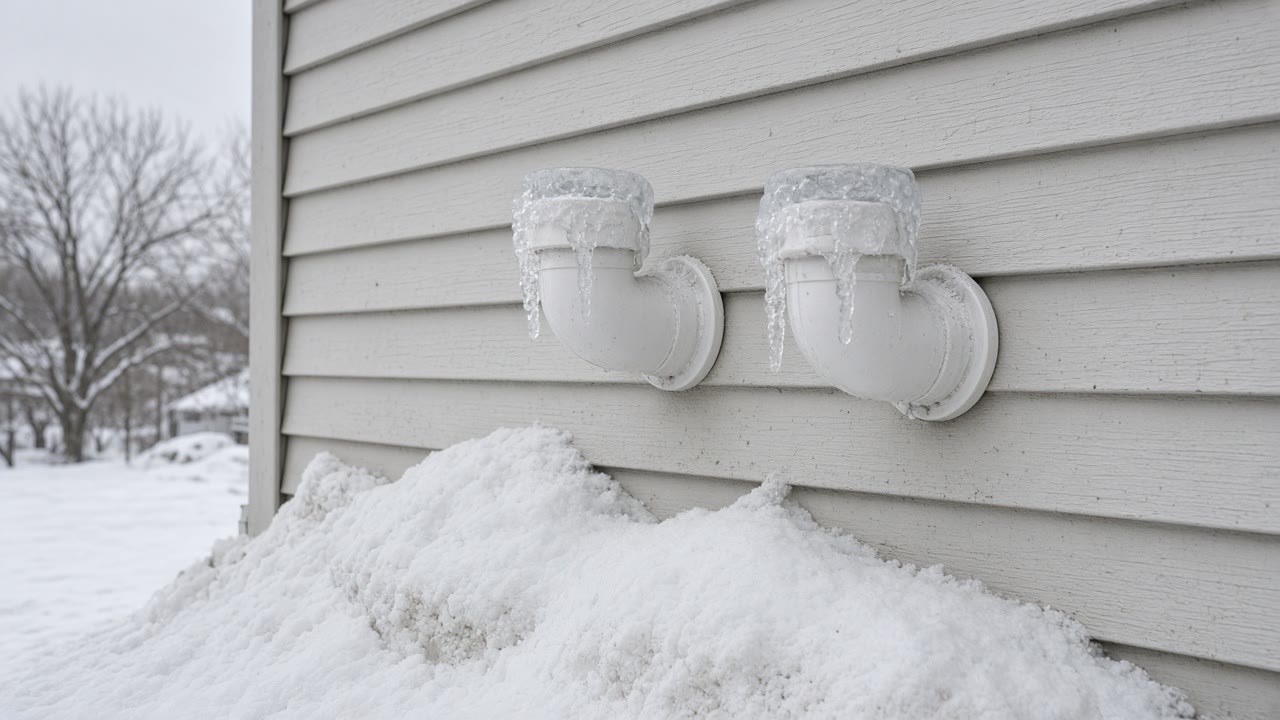
Of 1,845 occupied housing units in Fayetteville village, the American Community Survey 2020-2024 five-year estimates report 1,531 heated with utility gas, 83.0 percent, the highest utility gas share of any place in Onondaga County, with 285 on electricity, 15.4 percent, and 20 on bottled, tank or LP gas, 1.1 percent. No units are recorded on fuel oil. Of the occupied units, 1,418, 76.9 percent, are owner occupied.
Source: US Census Bureau, American Community Survey 2020-2024 5-year estimates, tables B25040 House Heating Fuel and B25003 Tenure, Fayetteville village, New York, accessed 2026-09-13
The American Community Survey 2020-2024 five-year estimates put the median year structure built in Fayetteville village at 1961, plus or minus 5 years. Of 2,092 housing units, 434 were built in 1939 or earlier, 20.7 percent, 1,616 before 1980, 77.2 percent, and 170, 8.1 percent, in 2000 or later.
Source: US Census Bureau, American Community Survey 2020-2024 5-year estimates, tables B25034, B25035, B25040 and B25003, Fayetteville village, New York, accessed 2026-09-13
The Energy Information Administration reports main heating equipment age in the Middle Atlantic census division as 0.95 million homes under 2 years, 1.86 million at 2 to 4 years, 2.95 million at 5 to 9 years, 3.04 million at 10 to 14 years, 2.14 million at 15 to 19 years and 4.99 million at 20 or more years, out of 16.04 million homes. That puts 31.1 percent of main heating equipment at 20 years or older and 44.5 percent at 15 years or older. The national figure for 20 or more years is 23.54 million of 123.53 million, 19.1 percent.
Source: US Energy Information Administration, 2020 Residential Energy Consumption Survey, Table HC6.7, main heating equipment age, final data release March 2023, accessed 2026-09-13
What the county's highest gas share changes about a visit
1,531 of Fayetteville's 1,845 occupied housing units heat with utility gas, 83.0 percent, the highest utility gas share of any place in Onondaga County, with 285 on electricity, 20 on bottled gas and no units at all recorded on fuel oil. Against that sits a village where 1,616 of 2,092 units were built before 1980 and only 170 this century. Old fabric plus near universal combustion is the pairing that makes the boring parts of a furnace visit, the vent connector, the draft, the combustion air, worth paying for. They are not upsells here. They are the parts of the system most likely to have been outlived by the appliance attached to them.
What separates a real diagnosis from a parts swap
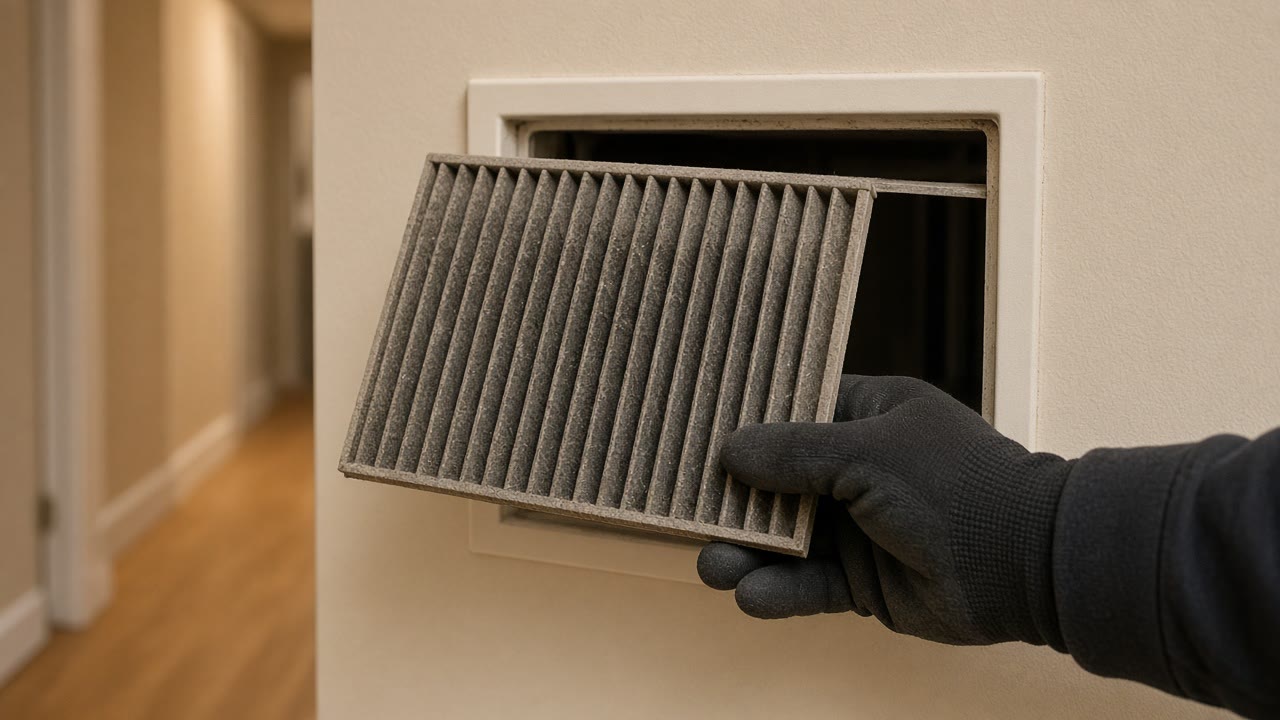
A parts swap names what failed and fits a replacement. A diagnosis explains why it failed, and in a village this age the answer is often upstream of the component. An igniter that keeps failing may be a voltage problem. A flame sensor that fouls repeatedly may be a combustion problem. A pressure switch that trips in certain weather is reporting on the flue rather than on itself. Regionally 31.1 percent of main heating equipment is twenty years or older and 44.5 percent is fifteen or older, which means a lot of appliances here are well into the part of their life where the surrounding system matters as much as the machine. Ask the question plainly: what failed, and what made it fail. A contractor who can answer both is worth more than one who is quicker.
Ask what made the part fail
Repeat failures of the same inexpensive component are a symptom of something else, not bad luck. Voltage, combustion air and venting are the usual culprits, and none of them is found by fitting another igniter.
No fuel oil recorded in the village at all
The survey records no Fayetteville units on fuel oil, so a village heating call is almost certainly gas and occasionally electric. That narrows the fault list before anyone arrives, which is genuinely useful.
Age is context, not a verdict
31.1 percent of main heating equipment in this part of the country is twenty years or more old. In a village that is 77.2 percent pre-1980 that is unremarkable, and it is not on its own a reason to stop repairing something.
Same part failing again?
That is a cause worth finding. Send the Fayetteville address and what has been replaced already and we will get somebody who looks upstream.
Other Fayetteville equipment we arrange repairs on
Village questions about gas furnaces and repeat faults
My Fayetteville furnace has had the same part replaced twice. Why?
Because the part is probably a symptom rather than the disease. Igniters that keep cracking, flame sensors that foul every few weeks, pressure switches that trip in particular weather and inducer motors that fail early are all classic downstream effects. The usual upstream causes are restricted combustion air, a venting problem that changes with the wind, a supply voltage issue, or a control that is cycling the appliance far more often than it should. In a village where 77.2 percent of the housing predates 1980, the venting is a very plausible candidate. Ask for the cause to be named, in writing, not just the part.
Does the highest gas share in the county change anything for me?
It changes what routine looks like. With 1,531 of 1,845 occupied units burning utility gas and none recorded on fuel oil, virtually every heating appliance in this village has a flue, produces combustion products and needs air to burn properly. So a vent check and a working carbon monoxide alarm in the room with the appliance are ordinary maintenance rather than extras, and a contractor who never mentions either is not doing you a favor. It also means the local trade sees gas appliances constantly, which is good news for the speed of a diagnosis.
Tell us what the village furnace is doing
The fault, what has been done before, and the ZIP code. If the answer is a cleaning we will say so, with no obligation.