
Heat Pump Repair in the Village of North Syracuse
624 village homes heat with electricity, and the Census will not tell you which of them own a heat pump. That is the first thing to settle.
Heat Pump Repair quote in North Syracuse
Share a few details so we can confirm coverage and arrange the right next step.
Would you rather talk it through? Call (315) 640-3590, answered 24/7.
$100 off your first job
Credited by us on your first booked job.
- One credit per customer per property, on your first booked job.
- Valid through December 31, 2026.
Mention this offer when you book. Full terms.
624 electrically heated homes, and a 4.2 percent regional share
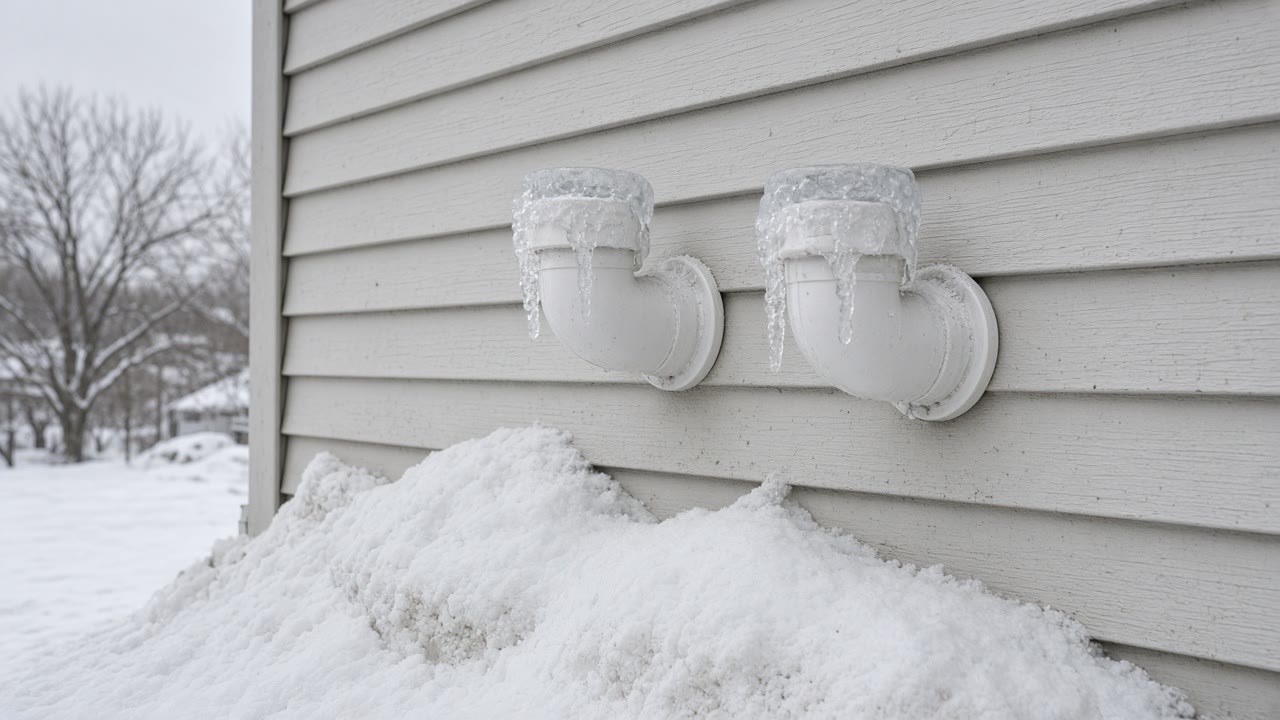
Of 2,990 occupied housing units in North Syracuse village, the American Community Survey 2020-2024 five-year estimates report 2,186 heated with utility gas, 73.1 percent, 624 with electricity, 20.9 percent, 66 with bottled, tank or LP gas, 2.2 percent, and 29 with coal. Of the occupied units, 2,010, 67.2 percent, are owner occupied.
Source: US Census Bureau, American Community Survey 2020-2024 5-year estimates, tables B25040 House Heating Fuel and B25003 Tenure, North Syracuse village, New York, accessed 2026-09-13
The Energy Information Administration's 2020 Residential Energy Consumption Survey reports 16.04 million homes in the Middle Atlantic census division, which is New York, New Jersey and Pennsylvania. Of those, 8.24 million use a central warm-air furnace as their main heating equipment and 4.48 million use a steam or hot water system, which is 27.9 percent. Nationally the survey reports 9.29 million of 123.53 million homes on steam or hot water, which is 7.5 percent. Heat pumps are the main heating equipment in 0.68 million Middle Atlantic homes, 4.2 percent, against 16.13 million nationally, 13.1 percent.
Source: US Energy Information Administration, 2020 Residential Energy Consumption Survey, Table HC6.7, Space heating in homes in the Northeast and Midwest regions, final data release March 2023, accessed 2026-09-13
The American Community Survey 2020-2024 five-year estimates put the median year structure built in North Syracuse village at 1959, plus or minus 2 years. Of 3,072 housing units, 459 were built in 1939 or earlier, 14.9 percent, and 2,661 before 1980, 86.6 percent, with 144 units, 4.7 percent, built in 2000 or later.
Source: US Census Bureau, American Community Survey 2020-2024 5-year estimates, tables B25034, B25035, B25040 and B25003, North Syracuse village, New York, accessed 2026-09-13
One Census column, two completely different machines
The American Community Survey records 624 of North Syracuse's 2,990 occupied units as heated with electricity, 20.9 percent, and it stops there. Resistance baseboard, ceiling cable and a full heat pump all land in the same column, and they have almost nothing in common once something goes wrong. Heat pumps are also genuinely uncommon in this part of the country: the Energy Information Administration puts them as the main heating equipment in 4.2 percent of Middle Atlantic homes against 13.1 percent nationally. So the useful first move in this village is not describing the symptom, it is establishing what machine is producing the heat.
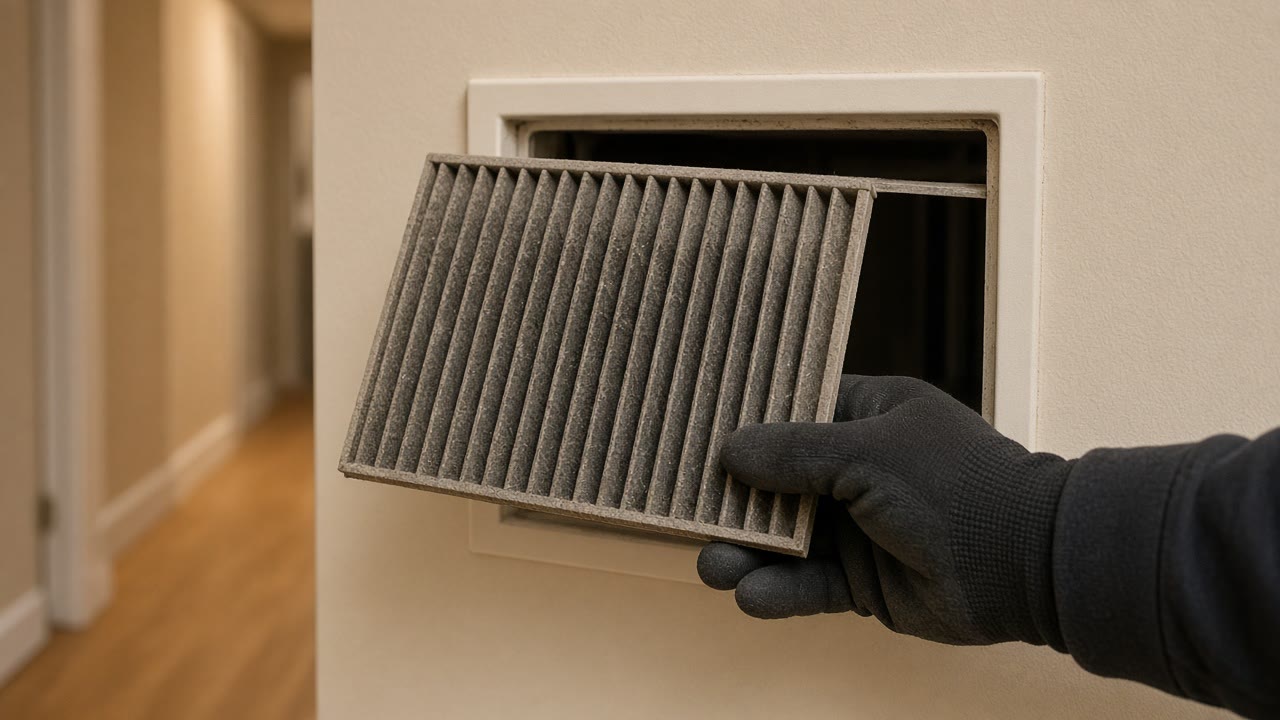
What decides whether this is a heat pump call at all
Go and look outside on a cold day while the heat is running. If a unit that resembles an air conditioner is turning, you have a heat pump and the fault list runs through the compressor, the reversing valve, the defrost control and the charge. If nothing outside moves, the heat is being made inside by elements, and the fault list is breakers, sequencers, thermostats and burnt connections, which is a different trade conversation and usually a cheaper one. Both matter in a village where 20.9 percent of homes have no combustion at all, because neither produces carbon monoxide and neither has a flue, so the safety questions that dominate a gas house simply do not apply. What does apply is cost. If a heat pump has quietly handed the whole house to its backup, the rooms stay warm and only the meter notices.
Check outside before you describe the symptom
An outdoor unit running in February means a heat pump. Nothing outside means resistance heat. The 624 electrically heated homes in this village are split between the two and the Census does not say how.
Heat pumps are unusual around here, which cuts both ways
The Energy Information Administration records heat pumps as the main heating equipment in 4.2 percent of Middle Atlantic homes against 13.1 percent nationally. Fewer of them means fewer contractors who see them every week, so it is worth saying you have one when you ask.
No flue, no combustion, no carbon monoxide from the heating
An electrically heated house has no flue and nothing burning, so a no-heat night here is an inconvenience rather than a safety question. That genuinely changes whether it can wait for morning.
Not sure whether you own a heat pump?
Go outside on a cold day with the heat on and tell us whether anything is turning. Send that with your address and we will take it from there.
North Syracuse questions about heat pumps and baseboard
Half my North Syracuse house is cold and I heat with electricity. Where do I start?
With the panel. On resistance heat, each zone or room is usually its own circuit, so an area that has gone cold while the rest is fine points at a breaker, a thermostat or a failed element rather than at anything central. Look for a breaker that has tripped or one sitting in the middle position, and check whether the thermostat in the cold zone has power. If the whole house has gone off together, that is more likely to be a supply or a main breaker question. Tell us which pattern you have, along with the village address, and we will send the right trade rather than a furnace technician.
My outdoor unit steams in winter. Is it broken?
Almost certainly not. A heat pump collects frost on its outdoor coil in cold, damp weather and periodically runs a defrost cycle to clear it, which produces steam and a noticeable change in sound. What is not normal is ice that stays on the coil after the cycle finishes, ice building up on the fan blades, or an outdoor unit encased in solid ice at the base. Those point at a defrost board, a sensor, a reversing valve or a drainage problem. Take a photograph before you go back inside, because it tells a contractor more than a description will.
Tell us how your village house is heated
Baseboard, a heat pump or something you are not sure about, plus the ZIP code. There is no obligation and we will be straight with you.