
Air Conditioning Repair in Clay
There is no state license for this trade and no town register in Clay, so the one credential that is uniform everywhere is worth knowing about.
AC Repair quote in Clay
Share a few details so we can confirm coverage and arrange the right next step.
Would you rather talk it through? Call (315) 640-3590, answered 24/7.
$100 off your first job
Credited by us on your first booked job.
- One credit per customer per property, on your first booked job.
- Valid through December 31, 2026.
Mention this offer when you book. Full terms.
What you can actually verify at a Clay address
In the county's largest housing stock, 26,282 units, there is no municipal register of heating and cooling contractors to consult the way a city homeowner can. New York Business Express, the state's own portal for telling a business what it needs in order to operate, lists for a heating, ventilation and air conditioning contractor only federal requirements under Section 608 of the Clean Air Act, and no New York State license for the trade at all. So the checkable credential on a Clay cooling job is the federal one, it attaches to the individual doing the work rather than to the company name, and asking about it costs you nothing.
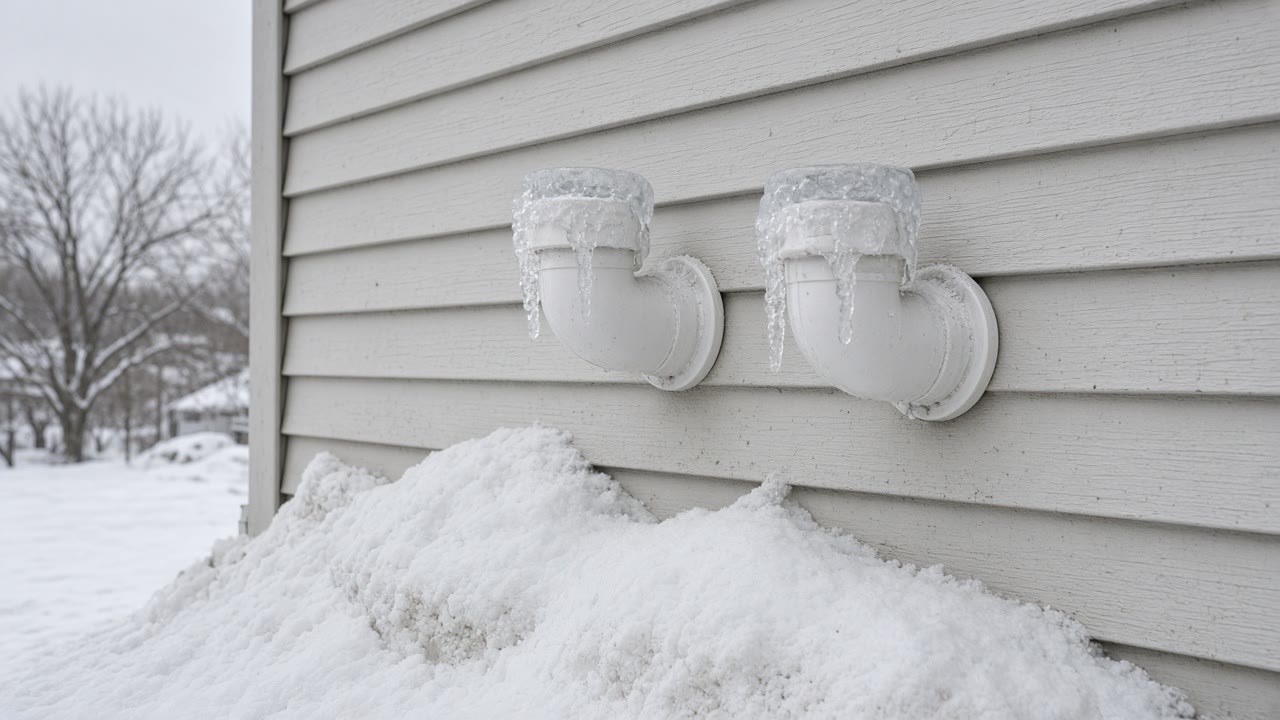
What ac repair involves
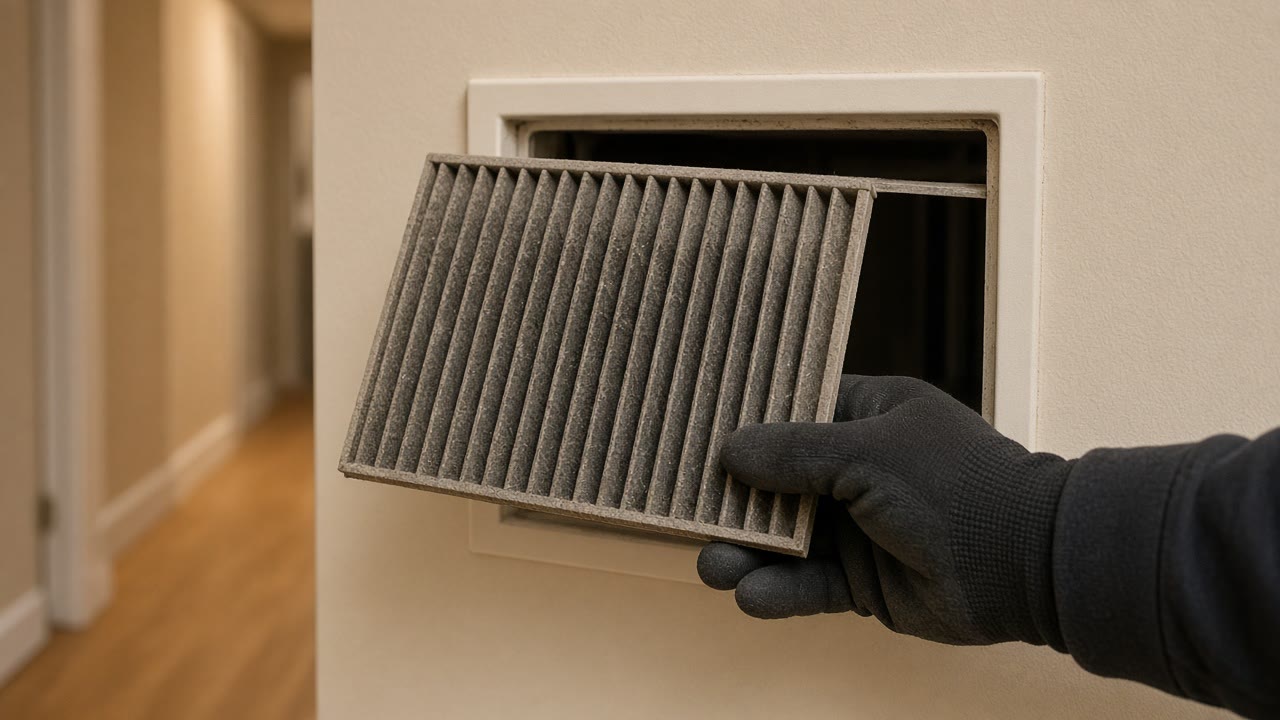
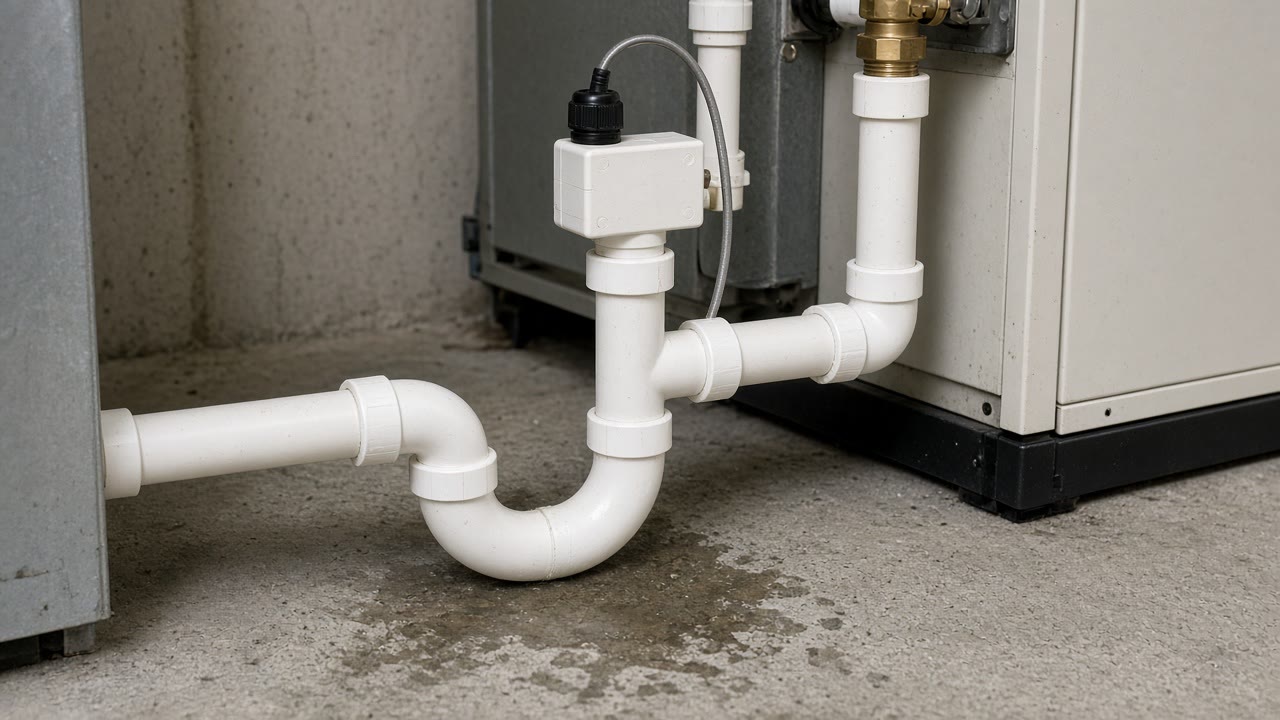
The questions that are worth asking here
Ask three things and you have covered most of what a homeowner can reasonably verify. Who will actually open the refrigerant circuit, and do they hold Section 608 technician certification, which is required of anyone who could reasonably be expected to violate the integrity of that circuit during maintenance, service, repair or disposal. Which type, because the regulation sets Type I for small appliances, Type II for medium, high and very high pressure appliances, Type III for low pressure and Universal for all of them, and the rule's own published examples of high pressure refrigerants include R-410A. And what happens to the refrigerant that comes out, because federal rules prohibit knowingly venting it and require approved recovery or recycling equipment. A contractor who answers those three without hesitating is telling you something useful.
The credential belongs to the person, not the van
Section 608 certification is held by an individual technician. Apprentices are exempt only while closely and continually supervised by somebody who holds it, so it is fair to ask who is doing the work rather than who owns the business.
New York does not license this trade at state level
The state's own business portal lists only the federal Section 608 requirement for an HVAC contractor, and the Division of Building Standards and Codes states that licensing of contractors is not handled by it and that enforcement is local. That is why the question falls to you in a town with no register.
Nothing may be vented, anywhere
Federal regulation prohibits anyone maintaining, servicing, repairing or disposing of an appliance from knowingly releasing refrigerant, and requires approved recovery or recycling equipment for the work. If a system is being opened, ask what is recovering the charge.
No state license, no town register, one federal credential
The American Community Survey 2020-2024 five-year estimates put the median year structure built in the town of Clay at 1978, plus or minus 1 year. Of 26,282 housing units, the largest count of any municipality in the county, only 831 were built in 1939 or earlier, 3.2 percent, 14,459 before 1980, 55.0 percent, and 4,053, 15.4 percent, in 2000 or later. Of 25,725 occupied units, 17,654 are heated with utility gas, 68.6 percent, 6,334 with electricity, 24.6 percent, and 832 with bottled, tank or LP gas, 3.2 percent. 18,316 units, 71.2 percent, are owner occupied.
Source: US Census Bureau, American Community Survey 2020-2024 5-year estimates, tables B25034, B25035, B25040 and B25003, Clay town, Onondaga County, New York, accessed 2026-09-13
New York Business Express, the state's own portal for telling a business what it needs in order to operate, lists for a Heating, Ventilation and Air Conditioning Contractor only federal requirements under Section 608 of the Clean Air Act. It states that all technicians who work on stationary air conditioners and refrigeration systems must hold certification under Section 608, that the exam covers proper handling of refrigerants and knowledge of EPA refrigerant regulations, that there are four areas of certification, Type I for small appliances, Type II for high pressure refrigerants, Type III for low pressure refrigerants and Universal, that exams must be administered by organizations approved by the US EPA, and that only holders of that certification can purchase refrigerant in bulk containers or pre-charged parts. It lists no New York State license for the trade.
Source: New York Business Express, the State of New York's official business requirements portal, Heating, Ventilation and Air Conditioning (HVAC) Contractor, accessed 2026-09-13
40 CFR 82.161(a)(1) provides that any person who could be reasonably expected to violate the integrity of the refrigerant circuit during the maintenance, service, repair, or disposal of appliances containing a class I or class II refrigerant or a non-exempt substitute refrigerant must pass a certification exam offered by an approved technician certification program. The section sets four types. Type I covers small appliances. Type II covers medium, high and very high pressure appliances other than small appliances and vehicle air conditioners. Type III covers low pressure appliances. Universal covers all of them. Apprentices are exempt while closely and continually supervised by a technician who holds the certification.
Source: 40 CFR 82.161, Technician certification, Subpart F of Part 82, Clean Air Act Section 608, via the Electronic Code of Federal Regulations, accessed 2026-09-13
40 CFR 82.152 defines a high-pressure appliance as one that uses a refrigerant with a liquid phase saturation pressure between 170 psia and 355 psia at 104F, and gives as examples appliances using R-22, R-407A, R-407C, R-410A and R-502. The same section defines a small appliance as one fully manufactured, charged and hermetically sealed in a factory with five pounds or less of refrigerant, naming window and portable air conditioners among them.
Source: 40 CFR 82.152, Definitions, Subpart F of Part 82, via the Electronic Code of Federal Regulations, accessed 2026-09-13
40 CFR 82.154(a)(1) provides that no person maintaining, servicing, repairing or disposing of an appliance may knowingly vent or otherwise release into the environment any refrigerant from such appliances, with a narrow list of exempt substances such as carbon dioxide, nitrogen and water. Paragraph (b) requires anyone doing that work to use recovery or recycling equipment that is approved for that type of refrigerant and appliance under 40 CFR 82.158.
Source: 40 CFR 82.154(a), Venting prohibition, Subpart F of Part 82, via the Electronic Code of Federal Regulations, accessed 2026-09-13
Want to know what to ask before you book?
Send the Clay address and the symptom. We will match it to a licensed, insured contractor and tell you what the work involves.
Other Clay repairs we arrange
Clay questions about credentials and cooling work
How do I check a cooling contractor in Clay when there is no register?
Ask directly, because there is genuinely nothing to look up. New York Business Express lists only federal Section 608 requirements for a heating, ventilation and air conditioning contractor and no state license, and the Division of Building Standards and Codes says licensing of contractors is not its function and that code enforcement is local. Clay publishes a code office contact rather than a contractor list. So the questions that carry weight are who holds the Section 608 certification, which type it is, and what recovery equipment they bring. We match requests to licensed, insured contractors and we are happy for you to ask all three.
Can I buy refrigerant and top the system up myself?
No, and the barrier is at the point of sale as well as at the work. Federal regulation prohibits selling or distributing a non-exempt substitute refrigerant unless the buyer holds Type I, Type II, Type III or Universal certification, or employs at least one person who does and proves it to the seller. Separately, anyone who could reasonably be expected to open the refrigerant circuit during service or repair has to hold that certification themselves. And a system that is low on refrigerant is low because it leaked, so adding more without finding the leak buys a few weeks and loses the charge again.
Tell us what the cooling system is doing
Running without cooling, silent outside, iced up or leaking, plus the ZIP code. There is no obligation either way.